
Essential Insights
- Meaningful learning in kindergarten combines structured guidance with plenty of room for child-led discovery and creative exploration.
- Social-emotional growth is just as critical as academic readiness, fostering resilience and kindness in every interaction throughout the day.
- A thoughtfully designed environment acts as a third teacher, sparking curiosity and encouraging children to engage with the world around them.
- Consistent routines provide the security young children need to take risks, ask questions, and build confidence in their own abilities.
The Journey of Early Discovery
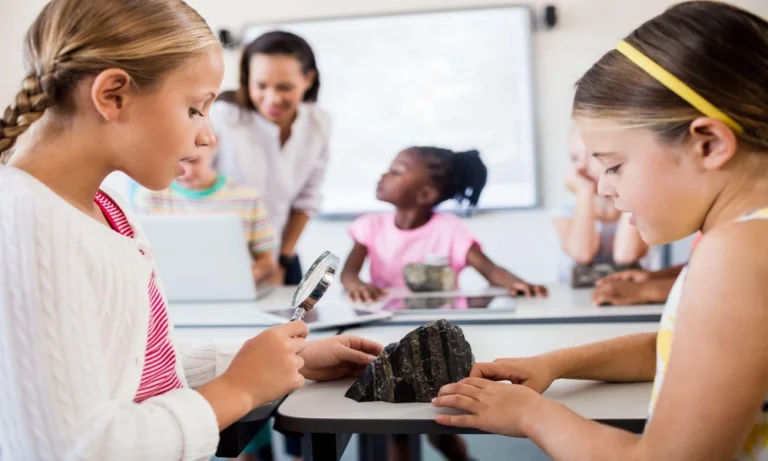
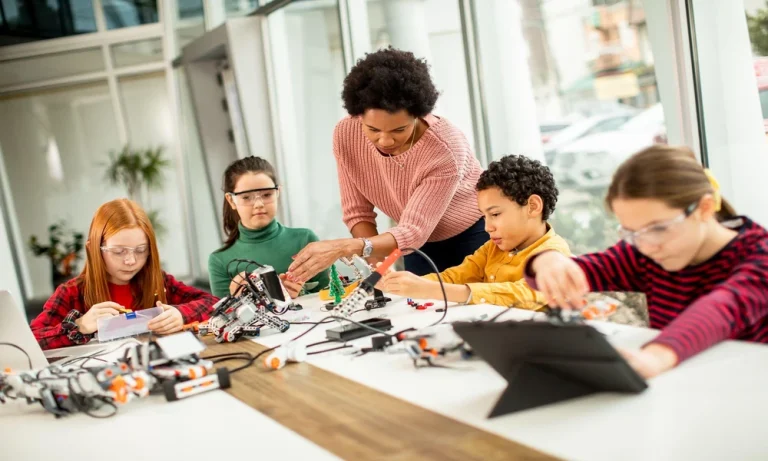
Every parent wants their little one to wake up excited about school. But what does that look like in practice? When you visit an international school in Singapore, you aren’t just looking for a safe space; you’re looking for a place where meaningful learning is part of the curriculum. It’s not about endless worksheets or repetitive drills. Honestly, young children learn best when they are active participants in their own education. They need to touch, build, question, and sometimes even make a mess while figuring out how the world works.
A truly meaningful day is a delicate balance. It’s structured enough to offer security but flexible enough to let a child’s sudden fascination with a spiderweb turn into a twenty-minute science lesson. That’s where the magic happens. When teachers follow a child’s lead, they show that their ideas have value. This creates a foundation for lifelong learning. It transforms school from a place you have to go to a place you get to explore.
Why Does Play Matter So Much?
Is play just a break from real learning? Absolutely not. Play is the engine of early childhood development. When kids negotiate rules for a game or build a tower together, they are practising vital life skills like collaboration, critical thinking, and empathy. They are learning to navigate conflict, Should we use these blocks for a castle or a bridge?, which is basically a toddler-sized version of project management.
- Building structures improves spatial awareness and planning skills.
- Role-playing games encourage empathy and social navigation.
- Collaborative games teach negotiation and teamwork.
In a high-quality kindergarten international school, play is intentional. Educators observe these moments, stepping in not to take over, but to scaffold the experience. They might ask, What happens if we add more weight to this bridge? This turns a simple game into a physics experiment. It’s amazing how much intellectual heavy lifting happens when children are simply playing. By valuing play as a rigorous learning tool, schools honour the child’s perspective while setting the stage for more complex academic concepts later on.
How Does Social-Emotional Learning Take Shape?
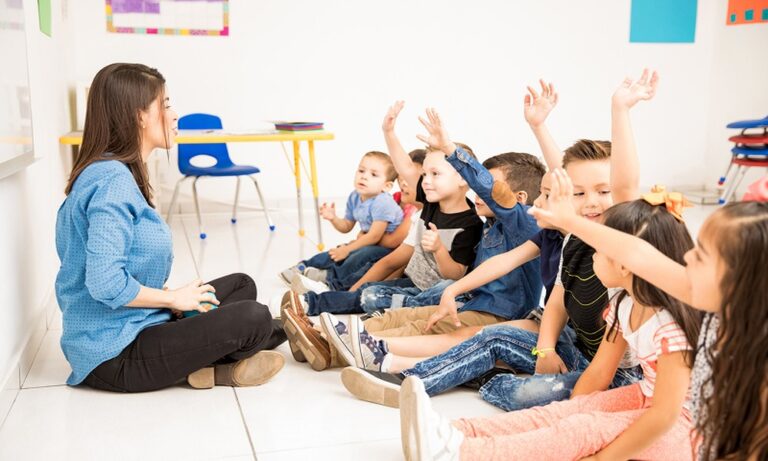
You might wonder how a four-year-old learns to handle frustration or share resources. It doesn’t happen overnight, and it certainly doesn’t happen through lectures. It happens in the quiet moments of the day: during circle time, at the snack table, or when a classmate needs comfort. Meaningful days include dedicated time for children to recognise their emotions and understand the perspectives of their peers.
Teachers play a massive role here, acting as guides who model respectful communication and patience. They help children label their feelings, I can see you’re feeling a bit disappointed that the block tower fell over, which gives kids the vocabulary to manage their own reactions. This emotional literacy is the secret sauce for success. When a child feels safe and understood, their brain is literally more open to learning. They aren’t in survival mode; they are in thriving mode. It’s a beautiful thing to witness a room full of children who feel confident enough to express their needs while also being genuinely kind to their friends.
What Role Does the Environment Play?
Think about the physical space. Does it feel inviting, or does it feel cluttered? The environment acts as the third teacher. A well-thought-out space invites exploration. Natural light, open shelves with accessible materials, and areas dedicated to different types of inquiry- these aren’t just design choices. They are deliberate strategies to foster independence.
- Open shelves provide easy access to learning materials.
- Natural light creates a calm and inviting atmosphere.
- Dedicated zones for inquiry support child-led exploration.
When a child can reach their own paintbrushes or choose their own books, they are exercising autonomy. They are making decisions. This is the bedrock of agency. A meaningful kindergarten day allows children to navigate their environment with purpose. It shouldn’t feel like a factory. It should feel like a studio where ideas are constantly in motion. Whether it’s an outdoor garden where they can observe insects or a cosy corner for storytelling, the space should tell the child, You belong here, and you are capable. When the setting matches the pedagogy, the learning flows naturally.
Final Reflections on Choosing the Right Path
Finding the right fit for your child is a big decision, but focus on the daily experience rather than just the brochures. Look for signs of active engagement and genuine joy. Are the children collaborating? Is their work displayed with pride? Does the school value the messy, beautiful, and unpredictable process of childhood? A meaningful day is one where your child leaves school with more questions than they arrived with, feeling capable of finding the answers. It’s about igniting that spark of curiosity that stays with them long after they leave the classroom. If you’re ready to see how your child can thrive in an environment that champions wonder, Middleton International School offers a learning experience designed to bring out the best in every young learner.
If you want to discover how your child can thrive in an environment that champions wonder and curiosity, please contact Middleton International School today to learn more or to schedule a campus tour.