How Everyday Tasks Help Young Children Build Independence, Confidence, and Essential Life Skills.
The early years of childhood represent one of the most important periods of development in a person’s life. During this stage, children are rapidly absorbing information about the world around them while forming habits, attitudes, and skills that often influence future learning experiences. While academic concepts such as letters, numbers, and early literacy are certainly valuable, educators increasingly recognize that foundational life skills are equally essential to long-term success.
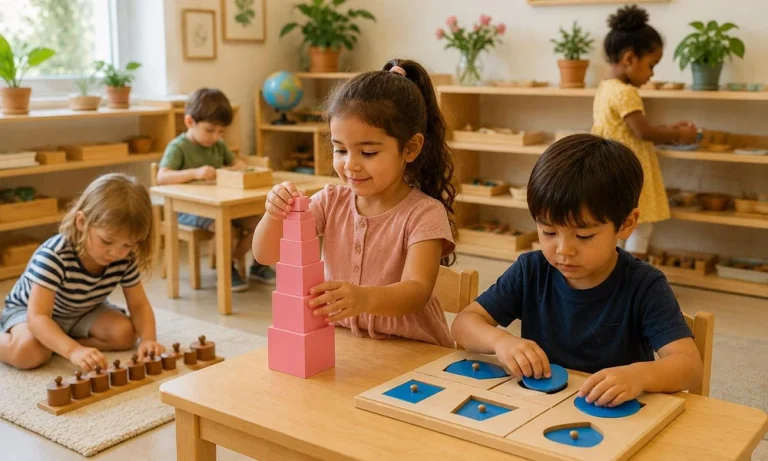
Practical life activities, a cornerstone of the Montessori philosophy, provide children with opportunities to engage in meaningful tasks that mirror real-life experiences. Activities such as pouring water, preparing snacks, buttoning clothing, cleaning up spills, washing tables, caring for plants, and organizing materials may appear simple on the surface. However, these experiences serve a much deeper purpose. They help children develop independence, concentration, coordination, responsibility, and self-confidence while developing a true sense of competence.
At KV Montessori Academy, we integrate practical life activities into the daily learning environment to support the development of the whole child. Through hands-on experiences tailored to children’s developmental stages, educators help students cultivate skills that extend far beyond the classroom and contribute to lifelong success.
“Practical life activities teach children an important lesson early in life: ‘I am capable, and I can contribute meaningfully to the world around me.'”
Understanding Practical Life Activities in Montessori Education
Practical life activities are carefully designed experiences that allow children to practice everyday tasks in an environment that encourages independence and self-discovery. Rooted in Dr. Maria Montessori’s educational philosophy, these activities recognize children’s natural desire to imitate adults and participate in their surroundings.
Unlike traditional educational exercises focused primarily on academic outcomes, practical life activities emphasize process over product. The objective is not perfection but rather the development of important skills through repetition, exploration, and purposeful engagement.
Practical life exercises generally fall into several categories:
Care of Self
Activities that help children manage personal needs independently, including:
- Dressing and undressing
- Buttoning and zipping clothing
- Washing hands
- Brushing hair
- Putting on shoes
- Preparing simple snacks
Care of the Environment
Tasks that encourage responsibility and stewardship of shared spaces, such as:
- Sweeping floors
- Dusting surfaces
- Watering plants
- Cleaning tables
- Organizing classroom materials
- Folding cloths
Grace and Courtesy
Social interactions that promote respect and positive relationships, including:
- Greeting others politely
- Taking turns
- Using kind language
- Practicing patience
- Resolving conflicts peacefully
Control of Movement
Exercises that strengthen coordination and concentration, such as:
- Carrying trays carefully
- Pouring liquids
- Using utensils
- Transferring objects
- Walking purposefully
Although these activities may appear routine to adults, they represent significant developmental opportunities for young learners.
Building Independence and Self-Confidence
One of the most significant benefits of practical life activities is their ability to foster independence. Young children naturally seek autonomy and often express a desire to complete tasks on their own. Montessori environments intentionally support this developmental need by providing appropriately sized tools, accessible materials, and opportunities for self-directed participation.
When children successfully pour water into a glass without spilling, fasten their own coat, or clean up after an activity, they experience a sense of accomplishment that contributes to healthy self-esteem.
Rather than relying heavily on adult intervention, children learn:
- Problem-solving skills
- Decision-making abilities
- Persistence through challenges
- Confidence in their capabilities
- Responsibility for their actions
These experiences reinforce an important message: mistakes are part of learning, and effort leads to growth.
Children who regularly engage in practical life activities often become more willing to attempt new challenges because they trust in their ability to learn and improve. This mindset supports resilience both inside and outside the classroom.
Furthermore, independence developed during early childhood frequently translates into greater self-motivation and adaptability as children progress academically.
Supporting Cognitive Development Through Hands-On Learning
Practical life activities contribute significantly to cognitive development, even though they may not resemble traditional academic instruction.
Many practical tasks require children to follow sequences, remember steps, solve problems, and exercise concentration. For example, setting a table involves recognizing patterns, organizing materials, and understanding order. Preparing a snack may require measuring ingredients, following directions, and making choices.
These experiences strengthen executive functioning skills, which include:
Attention and Concentration
Children learn to focus on completing a task from beginning to end without unnecessary distractions.
Working Memory
Remembering sequences and procedures supports memory development and information processing.
Cognitive Flexibility
Children adapt when unexpected situations arise, such as adjusting techniques after spilling water.
Planning and Organization
Completing multi-step activities encourages strategic thinking and preparation.
The repetition inherent in practical life work further enhances neural development by allowing children to refine their skills through practice.
Because Montessori education emphasizes active participation rather than passive instruction, children often retain knowledge more effectively. Learning becomes meaningful because it is connected to real experiences rather than abstract concepts alone.
“When children use their hands with purpose, they are simultaneously building their minds.”
Developing Fine Motor Skills and Physical Coordination
Practical life activities provide abundant opportunities for refining motor skills essential for future academic success and everyday functioning.
Many tasks involve precise hand movements that strengthen the small muscles necessary for writing, drawing, and manipulating classroom materials later in development.
Examples include:
- Using tweezers to transfer objects
- Pouring liquids between containers
- Opening and closing containers
- Threading beads
- Cutting soft foods
- Folding napkins
- Using child-sized utensils
These experiences improve:
Hand-Eye Coordination
Children develop greater control over their movements through repeated practice.
Bilateral Coordination
Activities requiring both hands working together support balanced physical development.
Grip Strength
Manipulating tools helps strengthen muscles important for handwriting readiness.
Spatial Awareness
Children learn to judge distances, control force, and navigate their environment safely.
Practical life experiences that involve carrying objects, balancing trays, or moving carefully within classroom spaces also support gross motor coordination.
Because purposeful activity naturally develops these skills, children often remain highly engaged and motivated throughout the learning process.
Encouraging Responsibility and Respect for Community
Practical life activities teach children that they play an important role within their community. By contributing to classroom maintenance and participating in shared responsibilities, children develop respect for both their environment and the people around them.
Cleaning a workspace after use, watering classroom plants, or helping prepare snack areas reinforces the understanding that communities function best when everyone contributes.
Children begin to recognize that their actions affect others. This awareness supports the development of empathy, cooperation, and accountability.
Grace and courtesy lessons further strengthen social-emotional learning by encouraging children to:
- Listen attentively
- Express gratitude
- Offer assistance to peers
- Wait patiently
- Resolve disagreements respectfully
- Practice kindness in daily interactions
These interpersonal skills provide a strong foundation for positive relationships throughout life.
Importantly, practical life activities help children develop intrinsic motivation. Rather than performing tasks solely for rewards or praise, they experience satisfaction from contributing meaningfully and mastering new abilities.
This internal sense of responsibility supports lifelong habits of initiative and self-discipline.
Preparing Children for Lifelong Success
The value of practical life education extends far beyond early childhood classrooms. The abilities developed through these experiences continue to influence academic performance, social relationships, and personal well-being throughout life.
Independent children often demonstrate stronger self-management skills in elementary school and beyond. They may adapt more easily to changing environments, approach challenges with confidence, and demonstrate greater perseverance when faced with difficulties.
Practical life activities support numerous long-term outcomes, including:
- Enhanced self-confidence
- Improved concentration
- Greater emotional regulation
- Stronger executive functioning skills
- Increased independence
- Better social interactions
- Higher levels of responsibility
- Positive attitudes toward learning
While academic readiness remains important, success in life depends equally on adaptability, resilience, communication, and self-sufficiency.
By emphasizing practical life experiences during the early years, Montessori education nurtures children who are not only prepared for school but also equipped to navigate life’s complexities with competence and confidence.
Frequently Asked Questions
What are practical life activities in Montessori education?
Practical life activities are hands-on tasks that teach children everyday skills such as pouring, cleaning, dressing, preparing food, and interacting respectfully with others.
Why are practical life activities important?
They help children develop independence, concentration, motor coordination, responsibility, confidence, and executive functioning skills that support lifelong learning.
At what age can children begin practical life activities?
Children as young as toddlers can participate in age-appropriate practical life experiences designed to match their developmental abilities.
Do practical life activities support academic success?
Yes. These activities strengthen concentration, problem-solving, fine motor skills, and executive functioning, all of which contribute to future academic readiness.
How do practical life activities build independence?
Children practice completing tasks independently, allowing them to gain confidence in their abilities and develop self-reliance.
Help Your Child Thrive at KV Montessori Academy
The early years provide a powerful opportunity to build skills that support lifelong growth and success. Through practical life activities, children develop independence, confidence, responsibility, and a love for purposeful learning that extends well beyond the classroom.
At KV Montessori Academy, educators create nurturing environments that empower children to explore, contribute, and discover their capabilities through authentic hands-on experiences. By integrating Montessori practical life principles into daily learning, the academy helps students build strong foundations for academic achievement and personal development.
If you are seeking an educational environment that values the whole child and fosters meaningful independence from an early age, KV Montessori Academy invites you to experience the Montessori difference firsthand.
Schedule a Tour today to learn how KV Montessori Academy helps young learners develop the essential life skills that support lifelong success.