
Key Takeaways
- Checking the qualifications and teaching experience of the instructors ensures a safe, encouraging, and productive learning environment for all ages.
- Small class sizes are essential as they allow for personalised attention, which is crucial for a child’s artistic development and confidence.
- Prioritising process-based art over perfect finished results helps children build self-esteem and truly enjoy the creative journey.
Introduction
A productive and enjoyable outlet for your child’s energy and creativity is also a top priority for many parents looking for after-school activities. When you begin looking for art classes for kids near you, it is important to understand that not all programmes are created equal in terms of quality and engagement. Art is a vital tool for child development, helping children refine their fine motor skills and express their complex emotions in a healthy, visual way. By selecting the right environment, you can ensure that your child’s introduction to the world of creativity is both fun and educational. Taking the time to research your options will lead to a much more rewarding experience for your young artist.
Do Research the Instructor’s Background and Approach
Before you commit to a children’s art class, take a moment to look into the professional backgrounds of the instructors who will be teaching your child. Ideally, you want a teacher who is not only a skilled artist in their own right but also has significant experience working with children. A good instructor knows how to simplify complex artistic techniques and keep young students engaged through storytelling and positive encouragement. Their ability to foster a supportive and inclusive atmosphere is just as important as their technical knowledge of painting, drawing, or sculpting. A teacher who understands child psychology can help a shy child open up through their work, making the class a therapeutic and social experience as well as an academic one.
Don’t Focus Only on the Finished Masterpiece
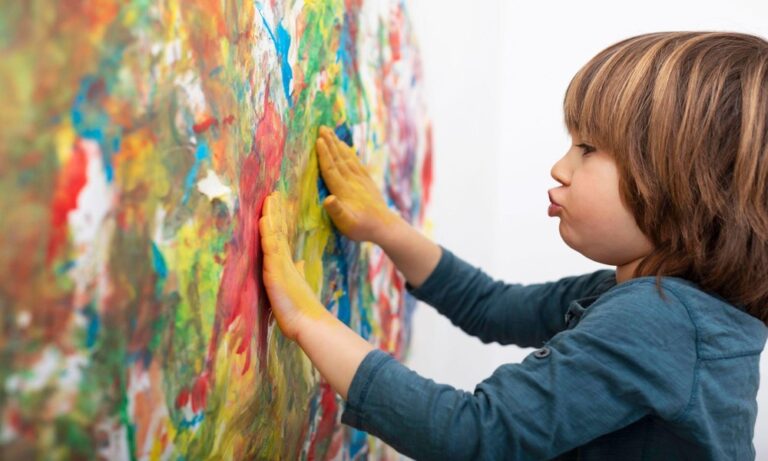
It is often tempting for parents to want their child to bring home a museum-worthy masterpiece every single week. However, the most effective art classes for kids focus heavily on the process of creation rather than just the final result. You should avoid classes that use “cookie-cutter” templates where every child’s work looks exactly the same at the end of the session. Instead, look for a programme that encourages experimentation and allows children to make their own choices regarding colours, textures, and shapes. This is where true learning happens, as children learn to problem-solve and trust their own creative instincts. When a child is allowed to explore, they develop a much deeper connection to their work and a greater sense of pride in their accomplishments.
Do Check the Variety of Materials and Mediums
A high-quality children’s art class should expose students to a wide range of materials and artistic media. From charcoal and pastels to clay, watercolours, and mixed media, variety keeps the curriculum exciting and prevents boredom. Working with different textures and consistencies also provides significant sensory benefits, which are particularly important for younger children in their developmental years. A well-rounded art programme will rotate through different techniques to keep the experience fresh and challenging for the students. Ask the studio about their curriculum and whether they introduce famous artists or different cultural styles of art, as this adds an educational layer to the creative process.
Don’t Overlook the Importance of Safety and Studio Environment
While art is naturally a bit messy, the studio environment should always be safe, well-ventilated, and organised. When you are looking at art classes for kids near you, ensure that the studio uses non-toxic, child-safe materials and maintains a clean space where students can work without unnecessary hazards. Proper storage for tools and finished projects shows that the studio respects the students’ hard work and time. A safe and professional environment allows children to feel comfortable and free to explore their creativity without feeling restricted. Additionally, consider the location and the schedule to ensure that the class fits easily into your family’s routine, reducing the stress of rushing to and from the studio.
Conclusion
Selecting the right children’s art class requires a bit of upfront research, but the rewards for your child’s development are immense. By following these basic dos and don’ts, you can find art classes for kids near you that provide a nurturing and inspiring space for your child to grow. Encouraging their artistic side today can lead to a lifetime of creative thinking, better focus, and a unique way of looking at the world. Your support of their creative journey will help them build the confidence they need to succeed in all areas of their life.
Contact Freetime Studio to find the perfect session for your budding artist.