
Tag

singapore parenting

Browsing

Key Takeaways

  • Physical activity during early childhood serves as a vital foundation for cognitive and social development.
  • Enrolling in a local programme encourages discipline and resilience through structured, playful movement.
  • Consistency in attendance helps children master complex motor skills and build lasting self-confidence.

Introduction

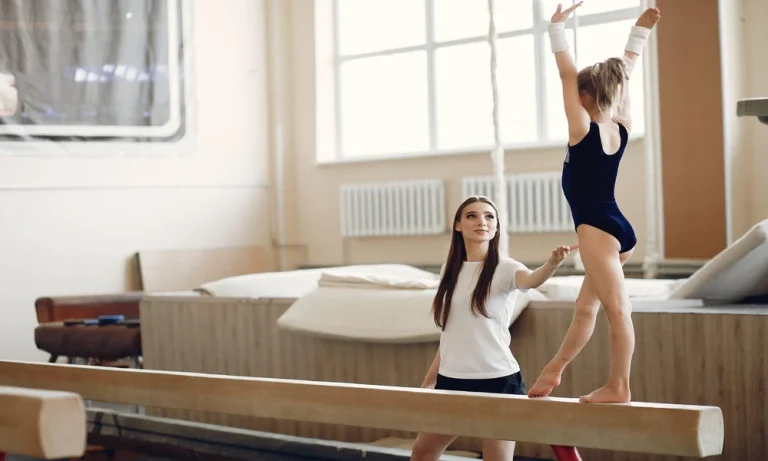
Getting the right balance between academic focus and physical play is a common challenge for many parents today. Active movement provides a necessary outlet for energy while supporting the growth of a healthy body. Starting gymnastics for kids in Singapore allows young ones to explore their physical capabilities in a safe and supportive environment. This journey often begins with simple movements that eventually lead to greater coordination and strength as they grow older. By introducing these habits early, you provide your child with the tools needed to navigate physical challenges with ease and poise.

Prioritise Fundamental Movement Patterns

Developing a strong physical foundation involves more than just running around a park during the weekend. It requires a deliberate focus on how a child moves their limbs and maintains their centre of gravity. A structured preschool gym environment provides the equipment and guidance necessary to practice these skills safely. When children learn to roll, jump, and balance correctly, they are actually training their brains to process spatial information more effectively. This systematic approach ensures that they do not just move, but move with intention and grace. Over time, these basic actions evolve into complex manoeuvres that bolster their overall athletic potential.

Cultivate Social Intelligence through Group Play

While the physical benefits are often the first thing people notice, the social advantages of group classes are equally significant. Interacting with peers in a shared space teaches children how to take turns and follow instructions from an adult mentor. These interactions are crucial for developing empathy and patience, especially when a peer is struggling with a particular task. Sharing a common goal, such as completing an obstacle course, fosters a sense of community and belonging that is hard to replicate elsewhere. These lessons in teamwork and communication stay with a child far beyond the walls of the gymnasium.

Advancing Fundamental Movement Patterns

Precision in these early movements serves as a neurological blueprint for future physical success. When a child engages with a preschool gym setting, they are not merely playing; they are fine-tuning their vestibular system, which governs balance and spatial orientation. This deliberate practice ensures that every hop, skip, and jump contributes to a more sophisticated level of body awareness. As they learn to shift their weight across different surfaces, they develop the muscular strength required to support their growing frames. These incremental gains in agility eventually translate into a more confident presence in any physical arena they choose to explore as they grow.

Build Mental Resilience and Focus

Mastering a new skill requires a level of persistence that is rarely demanded in other areas of a young child’s life. They will inevitably encounter movements that feel difficult or even slightly intimidating at first glance. Overcoming these small hurdles teaches them that effort leads to progress, which is a vital mindset for any future endeavour. By focusing on the process rather than immediate perfection, children learn to view mistakes as necessary steps toward success. This mental toughness is a byproduct of regular practice, giving them the confidence to tackle new experiences with a positive attitude.

Conclusion

Investing in your child’s physical education is one of the most impactful decisions you can make for their holistic growth. The combination of strength, flexibility, and social interaction provided by gymnastics for kids in Singapore creates a well-rounded experience. As they navigate different apparatus and learn to control their bodies, they also gain a clearer understanding of their own potential. Encouraging this active lifestyle ensures they remain healthy and engaged with the world around them, the joy they find in movement today will serve as a sturdy pillar for their future well-being and personal confidence.

Contact BearyFun Gym to learn more about how our programmes can benefit your child’s development.

Key Highlights

  • Look for programmes that weave Mandarin into daily activities rather than treating it as an isolated subject to foster genuine fluency.
  • A superior curriculum encourages children to ask questions and drive their own learning through hands-on exploration instead of rote memorisation.
  • The ability to navigate peer relationships and manage emotions is just as critical as academic readiness for long-term success.
  • An effective framework gradually introduces formal literacy and numeracy skills to ensure a seamless transition to the local primary school system.

Introduction

The sheer number of options available to parents can be overwhelming. You want the best start for your child, yet every brochure promises the world. It is easy to get distracted by flashy facilities or air-conditioned playgrounds. However, the true value of any educational institution lies in what happens inside the classroom. The curriculum is the engine that drives your child’s development.

Whether you are scouting for a central location or a specific kindergarten in Bukit Panjang, the fundamental markers of quality remain consistent. You need to look past the marketing and scrutinise the pedagogical approach. A robust curriculum does not just fill time. It shapes how your child thinks and interacts with the world.

1. Immersion Over Instruction for Second Languages

We live in a society where bilingualism is not just an asset but a necessity. Many centres claim to offer bilingual programmes, but you must examine how they execute this. A thirty-minute lesson once a day involves instruction. It does not constitute immersion. A top-tier kindergarten in Singapore integrates the second language into the fabric of the day.

You should see teachers speaking Mandarin during play, during meals, and during transitions. The language must live outside the textbook. When children associate a language solely with study, they develop resistance. When they associate it with communication and fun, they develop fluency. You want a curriculum where languages are tools for exploration rather than subjects for testing.

2. The Power of Inquiry-Based Learning

Children are natural scientists. They poke, prod, and question everything they encounter. A rigid curriculum suppresses this instinct with worksheets and silence. An excellent curriculum harnesses it. You should look for terms like “Project Approach” or “Inquiry-Based Learning” in the prospectus.

In these environments, the teacher acts as a facilitator rather than a broadcaster. If the class shows interest in insects, the lesson plan pivots to explore biology and habitats. This method teaches children how to learn rather than just what to learn. It builds critical thinking skills that are vital for the future. If you walk into a classroom and see identical artwork on the walls, that is a red flag. You want to see messy, unique projects that reflect the children’s actual questions and discoveries.

3. Prioritising Social and Emotional Competence

Academic rigour often steals the spotlight in our competitive landscape. Yet, research consistently shows that emotional intelligence is a stronger predictor of future success. A comprehensive curriculum places heavy emphasis on social-emotional learning.

This involves more than just sharing toys. It includes explicit guidance on conflict resolution, empathy, and self-regulation. You need to ask how the school handles bad behaviour. Do they punish, or do they guide the child to understand the impact of their actions? A quality kindergarten in Singapore creates a safe psychological space where children learn to navigate complex group dynamics. This foundation is what allows them to focus and thrive when the academic demands increase later in life.

4. Bridging the Gap to Primary One

The transition to primary school is a significant milestone. It can also be a culture shock. While play is paramount in the early years, the final year of preschool needs to shift gears slightly. You need a curriculum that acknowledges the reality of the local education system without killing the joy of learning.

A balanced approach introduces structured literacy and numeracy progressively. It builds the attention span required for formal schooling. Whether the centre is a generic franchise or a specialised kindergarten in Bukit Panjang, it must have a clear roadmap for K2 students. This preparation ensures your child walks into Primary One with confidence rather than anxiety. They should possess the self-help skills to manage their canteen money and the academic baseline to understand their new teachers.

Conclusion

Your choice of preschool sets the trajectory for your child’s relationship with learning. By focusing on bilingual immersion, inquiry-based methods, emotional intelligence, and school readiness, you filter out the noise. You ensure your child receives an education that respects their current developmental stage while preparing them for the challenges ahead.

Stop searching and start discovering. Visit Orange Tree Preschool today to see how a thoughtfully designed curriculum can unlock your child’s full potential.