

Tag

Students

Browsing

Key Takeaways

  • Always verify the syllabus version to ensure the textbook is up to date with current IB standards.
  • Check for official IB stickers or endorsements from the International Baccalaureate Organisation.
  • Compare prices between physical bookstores and online retailers to get the best deal.
  • Look for bundled deals that include digital access codes for additional online resources.

Introduction

The International Baccalaureate (IB) is a rigorous and demanding program, as any student or parent can tell you. It requires not just hard work, but the right tools. One of the most common questions at the start of the school year is simply: where to buy textbooks in Singapore? With so many bookstores and online platforms available, it can be a bit overwhelming to figure out which one is the most reliable. You don’t want to end up with a book that is three years out of date when the syllabus has already shifted!

Honestly, getting your hands on the right IB textbooks is half the battle won. These books are specifically designed to align with the unique assessment criteria of the IB, providing the depth and breadth required for those tough Internal Assessments and final exams. Whether you are looking for Higher Level Physics or Standard Level Economics, knowing where to go and what to look for will save you a lot of stress. Let’s look at how to navigate the Singaporean market for these essential study materials.

Identifying The Right Edition

The most important thing to check when you buy IB textbooks is the publication date and the syllabus cycle. The IB updates its curriculum for different subjects every few years. For example, the Biology syllabus might change in 2024, while History stays the same. If you accidentally buy an older version, you might be studying topics that are no longer tested or missing out on new requirements. Always double-check the ISBN against the list provided by your school. It’s a tiny detail that makes a huge difference.

Another thing to look out for is the publisher. Brands like Oxford University Press, Cambridge, and Pearson are the major players in the IB world. They often work directly with the IB to ensure their content is spot on. Some books are prepared guides, which focus specifically on exam techniques, while others are comprehensive course companions. You know what? It’s usually a good idea to have a mix of both. A thick textbook is great for learning the theory, but a slim revision guide is your best friend when the exams are just a few weeks away.

Where To Find The Best Deals In Singapore

Singapore has several reputable brick-and-mortar bookstores that specialise in educational materials. Specialised academic bookstores often carry a decent range of IB titles. The advantage of going in person is that you can flip through the pages and see the layout before you commit. However, these physical stores can sometimes run out of stock during the peak season in August and September. If you are looking for where to buy textbooks, it is often wise to call ahead and see if they have your specific subjects in stock.

On the other hand, shopping online is becoming the go-to method for many students. It’s often more cost-effective, and you can easily compare prices across different platforms. Many local distributors offer free delivery if you spend over a certain amount, which is easy to do when you are buying a full set of IB books! Just be careful with international shipping. Sometimes the low price from an overseas seller gets overshadowed by high delivery fees or long wait times. If you need your books quickly, staying local is usually the safer bet.

Checking For Extras And Condition

When you are about to make a purchase, take a second to look for mention of digital components. Many modern IB textbooks come with a unique code inside the front cover. This code gives you access to online question banks, interactive diagrams, and even digital versions of the book for your tablet. If you are buying a second-hand copy, there is a high chance this code has already been used. If digital resources are important to you, buying brand new might actually be a better value in the long run.

If you are going the second-hand route to save some cash, check the condition carefully. A bit of highlighting is fine, but if someone has written all the answers into the practice questions, it won’t be much help to you! Also, check for any missing pages. It sounds rare, but in well-used science books, pages can sometimes come loose. Buying from a reputable local supplier ensures that you have some recourse if the book arrives in poor condition. At the end of the day, these books are an investment in your future.

The Importance Of Starting Early

Don’t wait until the second week of term to start looking for your materials. The IB moves fast, and you don’t want to be falling behind because you are waiting for a shipment of textbooks to arrive. Having your books ready on day one allows you to familiarise yourself with the structure of the course. You can see what’s coming up and maybe even do a bit of light reading over the weekend. It takes the shock out of the first few lessons and helps you feel much more in control.

Furthermore, having your own copies means you can annotate them. Writing your own notes in the margins is a proven way to improve memory retention. While school libraries are great, you can’t exactly scribble in their books! Having your own set of IB textbooks is a luxury that really pays off during the final revision period. You’ll have all your thoughts and the teacher’s tips right there next to the official text. It’s all about creating a personal knowledge base that you can rely on when things get intense.

Conclusion

Sourcing your study materials in Singapore doesn’t have to be a headache. By knowing exactly which edition you need and comparing the options between local stores and online distributors, you can get exactly what you need. Remember to check for those all-important digital codes and ensure the syllabus version is current. With the right books on your desk, you are setting yourself up for success in one of the world’s most challenging educational programs.

If you are looking for a reliable source for your curriculum needs, we are here to help. We understand the specific demands of the International Baccalaureate and aim to provide students with the best possible resources. Don’t leave your preparation to chance. Get in touch with IB Professional to find the right textbooks for your journey and get a head start on your studies.

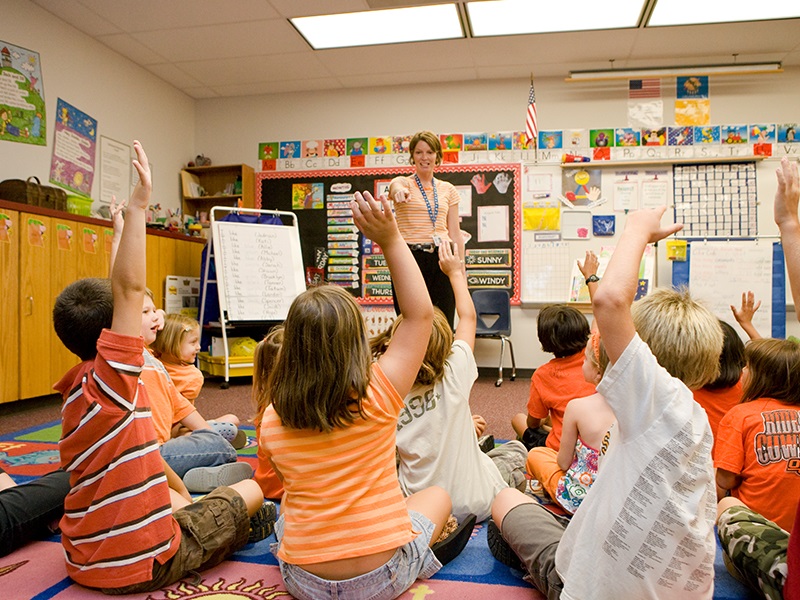
Gone are the days when students used to dread learning new things. With the advent of gamification, learning has become more interactive and enjoyable than ever before. Gamification involves incorporating game elements into education to make it more fun and engaging.

The Benefits of Gamification in Education

Gamification has several benefits in education. Firstly, it makes learning fun and interactive, which helps students stay engaged and motivated. Secondly, gamification helps students develop better problem-solving skills and critical thinking abilities. Thirdly, gamification can help students retain information better by providing memorable experiences. Lastly, gamification can help teachers identify gaps in their students’ learning and adjust their teaching methods accordingly.

How to Implement Gamification in Education

There are several ways to implement gamification in education. One way is to use game-based learning, where students play games that are designed to teach specific skills or concepts. Another way is to incorporate game elements, such as points, badges, and leaderboards, into existing learning activities. This can be done using gamification platforms such as Classcraft, Kahoot, or Quizlet.

Tips for Successful Gamification in Education

While gamification can be an effective tool for learning, it is important to implement it properly to ensure its success. Here are some tips for successful gamification in education:

  • Set clear learning objectives and align game elements with them.
  • Provide immediate feedback to students to help them track their progress and identify areas for improvement.
  • Ensure that the games are challenging, but not too difficult or frustrating for students.
  • Ensure that the games are accessible to all students, regardless of their skill level or ability.
  • Encourage collaboration and teamwork among students by incorporating multiplayer games.
  • Monitor student progress and adjust the gamification strategy as needed.

Gamification is a powerful tool that can make learning more fun and engaging for students. By incorporating game elements into education, teachers can help students develop critical thinking skills, problem-solving abilities, and improve their retention of information. By implementing gamification properly, teachers can ensure its success and create a positive learning environment for their students.

As educators, our primary goal is to create a positive learning environment that fosters growth and development in our students. However, this can only be achieved when we encourage good behavior in our students. One of the most effective ways to do this is through positive reinforcement.

What is Positive Reinforcement?

Positive reinforcement is the act of rewarding desired behavior in order to increase the likelihood of that behavior being repeated. It is based on the principle that behavior that is followed by positive consequences will be more likely to occur again in the future.

Positive reinforcement can take many forms, including verbal praise, stickers, certificates, and tangible rewards such as toys or treats. The key is to find a reward that is meaningful to the student and that will motivate them to continue exhibiting the desired behavior.

Why is Positive Reinforcement Effective?

Positive reinforcement is effective for several reasons:

  • It promotes a positive learning environment and encourages students to engage in positive behavior
  • It helps to build students’ self-esteem and confidence
  • It reinforces the idea that good behavior is valued and appreciated
  • It creates a sense of community and encourages students to work together towards a common goal

How to Implement Positive Reinforcement in the Classroom

Implementing positive reinforcement in the classroom is relatively easy, but it does require some thought and planning. Here are some tips for effective implementation:

  1. Identify the behavior you want to reinforce: Before you can reinforce positive behavior, you need to identify what that behavior is. Be specific and clear about what you are looking for.
  2. Choose an appropriate reward: The reward you choose should be something that is meaningful to the student and that will motivate them to continue exhibiting the desired behavior.
  3. Be consistent: Consistency is key when it comes to positive reinforcement. Make sure you are reinforcing the behavior every time it occurs, and be sure to do so in a timely manner.
  4. Provide immediate feedback: When you see a student exhibiting the desired behavior, provide immediate feedback in the form of verbal praise or a tangible reward.
  5. Monitor progress: Keep track of the student’s progress and adjust your reinforcement accordingly. If the student is not responding to the current reward, try something different.

Positive reinforcement is a powerful tool that can be used to encourage good behavior in students. By implementing it in the classroom, we can create a positive learning environment that fosters growth and development in our students.

Remember, positive reinforcement is not about bribing students or giving them rewards for simply showing up. It is about recognizing and rewarding positive behavior that is aligned with our goals as educators. When done correctly, positive reinforcement can be a game-changer in the classroom.

Reading is an essential skill for every student, and it is a skill that can be improved through regular practice. While many students tend to focus solely on reading textbooks and academic materials, reading fiction can be just as beneficial, if not more so. In this article, we will explore the many benefits of reading fiction for students.

1. Improves Vocabulary and Language Skills

Reading fiction exposes students to a wide range of words and phrases that they may not encounter in everyday conversation or academic texts. As they encounter new words and phrases, they will begin to understand their meanings and how to use them in context. This will improve their overall vocabulary and language skills.

2. Enhances Creativity and Imagination

Fiction allows students to enter new worlds, explore different perspectives, and experience things they may not encounter in their daily lives. As they read, they will use their imagination to create mental images of the characters, settings, and events in the story. This will enhance their creativity and imagination, which can be useful in many aspects of life.

3. Develops Empathy and Understanding

Fiction often deals with complex social issues, and reading about different characters and their experiences can help students develop empathy and understanding for others. This can help them become more compassionate, tolerant, and open-minded individuals.

4. Improves Critical Thinking and Analysis

Reading fiction requires students to analyze and interpret the text, which can improve their critical thinking skills. They will need to consider the plot, characters, and themes of the story, and make connections between them. This type of analysis can be applied to other areas of their academic and personal lives.

5. Reduces Stress and Anxiety

Reading fiction can be a great way for students to unwind and relax after a long day of studying. It can help reduce stress and anxiety, as it allows them to escape from their own reality and enter a different world.

Reading fiction has many benefits for students, from improving vocabulary and language skills to enhancing creativity and imagination. It can also help develop empathy and understanding, improve critical thinking and analysis, and reduce stress and anxiety. Encouraging students to read fiction regularly can help them become well-rounded individuals who are better equipped to face the challenges of life.