
Key Highlights
- Infants develop language skills naturally through everyday interactions and play.
- A bilingual childcare environment encourages communication in meaningful situations.
- Play-based learning allows children to build confidence in both languages at their own pace.
- Reggio Emilia in Singapore supports curiosity, exploration, and collaborative learning from infancy.
Introduction
Language learning begins long before children can speak in complete sentences. Every smile, gesture, song, and conversation contributes to the way infants understand the world around them. Daily routines become valuable learning moments when children hear language used naturally throughout the day.
A quality bilingual childcare programme gives infants consistent exposure to two languages through familiar experiences rather than formal lessons. Hearing different words during meals, story sessions, outdoor exploration, and play helps children connect language with real-life situations. Learning feels enjoyable because communication becomes part of every activity.
Many families also appreciate educational philosophies that place children at the centre of learning. Interest in Reggio Emilia in Singapore continues to grow because it encourages exploration, creativity, and meaningful interactions. Combined with bilingual learning, this approach creates an environment where infants can develop both language and confidence naturally.
Everyday Play Creates Meaningful Language Experiences
Play gives infants countless opportunities to hear and experiment with language. During activities such as stacking blocks, singing songs, or exploring sensory materials, educators introduce new vocabulary through conversation rather than memorisation. Children begin to associate words with actions, emotions, and objects they encounter every day.
Repetition happens naturally because familiar routines occur throughout the day. Greeting friends, washing hands, tidying toys, and enjoying meals all involve repeated words and phrases. Consistent exposure strengthens understanding while allowing infants to respond at their own pace without pressure.
A well-designed bilingual childcare environment encourages communication instead of performance. Educators model language clearly, respond warmly to children’s attempts, and celebrate small milestones. Every interaction supports gradual progress while making language a natural part of everyday experiences.
Curiosity Encourages Learning Beyond Words
Infants learn best when curiosity guides their discoveries. Looking closely at leaves, observing insects, experimenting with water, or exploring different textures encourages children to ask questions through sounds, gestures, and eventually words. Language becomes a tool for exploration instead of simply a subject to study.
Families looking into Reggio Emilia in Singapore often appreciate how children’s interests influence classroom experiences. Educators carefully observe each child’s curiosity and create opportunities for further investigation. Meaningful conversations develop around children’s discoveries, making language more relevant and memorable.
Creative experiences also encourage communication. Art, music, storytelling, and imaginative play introduce descriptive vocabulary while allowing infants to express themselves in different ways. Rich experiences help children understand that language supports thinking, sharing ideas, and building relationships with others.
Relationships Build Confidence in Two Languages
Strong relationships create a safe environment where infants feel comfortable communicating. Warm interactions with trusted educators encourage children to experiment with sounds and words without fear of making mistakes. Positive responses help build confidence over time.
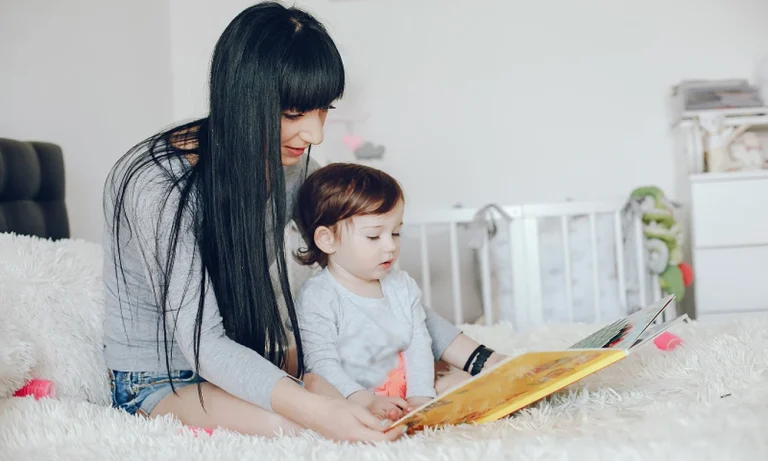
Parents also play an important role alongside bilingual childcare programmes. Reading books, singing nursery rhymes, and having simple conversations at home reinforce the language children hear during the day. Consistency between home and childcare helps infants develop stronger communication skills in both languages.
Supportive learning communities reflect many principles found in Reggio Emilia in Singapore, where collaboration between educators and families is highly valued. Shared observations and regular communication ensure that each child’s interests, strengths, and developmental progress continue to guide learning experiences.
Early Exposure Builds a Strong Foundation
Language development during infancy provides lasting benefits that extend well beyond the early years. Regular exposure to two languages supports listening skills, memory, attention, and flexible thinking while encouraging children to communicate with greater confidence as they grow.
Learning through play also helps children enjoy the process rather than feeling pressured by expectations. Infants remain engaged because activities reflect their interests and developmental stage. Every conversation, game, and shared experience contributes to steady progress in a relaxed environment.
Parents searching for bilingual childcare often value programmes that encourage holistic development alongside language learning. Educational settings inspired by Reggio Emilia in Singapore recognise that curiosity, relationships, creativity, and communication work together to help children become enthusiastic and capable lifelong learners.
Conclusion
Daily play gives infants the opportunity to absorb language naturally while building confidence through meaningful experiences. Combined with child-led exploration and supportive relationships, bilingual learning becomes an enjoyable part of everyday life that prepares children for future learning.
Contact Apple Tree Playhouse to learn how a nurturing bilingual learning environment can support your child’s early development.