Tag

play-based learning

Browsing

Quick Glances at a Vibrant Curriculum

  • Engaging curricula prioritise discovery-based learning over rote memorisation to keep children curious and eager to learn throughout the day.
  • When searching for a nurturing preschool in Singapore, families trust and focus on environments that adapt daily activities to match individual child development stages rather than following a rigid, one-size-fits-all plan.
  • A balanced structure integrates social, emotional, and academic goals, ensuring natural variety in a child’s daily schedule.
  • Open communication between educators and families helps tailor learning experiences, ensuring that education feels personal and relevant rather than mechanical.

Setting the Stage for Wonder

Choosing the right early childhood programme often feels like walking a tightrope. You want structure, yes, but you certainly do not want a setting that feels like a factory line. Many parents worry that a curriculum might become monotonous, with children simply moving from one rote activity to another. It is a valid concern. When days blur into a repeating cycle of colouring sheets and identical songs, the spark of curiosity can easily dim.

But education does not have to feel like a script. When designed with intention, a Singapore preschool curriculum can feel vibrant, spontaneous, and deeply engaging, even while keeping the necessary rhythm that children crave. It is about crafting an experience where every moment is an invitation to learn, rather than just a time slot on a calendar. By infusing the day with variety, we create a foundation where children feel empowered, challenged, and genuinely excited to explore the world around them.

Why Does Repetition Often Sneak Into Classroom Activities?

It is human nature to gravitate towards what is predictable. In early childhood education, routine is essential. Children thrive when they know what happens next: morning circle, snack time, outside play. However, problems arise when routine is confused with rigidity. When educators stick too closely to a static timetable, the process becomes mechanical.

Teachers may find themselves rushing through transitions just to hit a schedule, leaving no room for the unplanned discovery that defines childhood. This often happens when the focus shifts from the child’s learning journey to the completion of a daily agenda. If an activity feels like a chore, the child senses it immediately. They stop exploring and start performing. It is a subtle shift, but one that significantly impacts how a child perceives their environment. A truly nurturing preschool in Singapore knows that stability is the anchor, not the cage. It provides the security children need to feel confident enough to explore, but it never allows that security to become stagnant. When we break away from the “must-do” mindset, we create space for the “what-if” moments.

How Can We Transform Routine Tasks Into Meaningful Learning?

Consider the mundane tasks that fill a typical day: washing hands, tidying toys, or sitting for a meal. In many classrooms, these are treated as dead time, intervals between the “real” work. But imagine if these moments were integrated into the curriculum. Hand washing becomes a biology lesson on hygiene and invisible germs. Tidying up transforms into a sorting game, where children categorise items by shape, size, or function.

  • Involve children in setting up materials to build responsibility.
  • Use transition times to count items or recite simple patterns.
  • Ask open-ended questions about what they see around them.

When we view these daily routines through a lens of intentionality, they stop being repetitive and start being opportunities. This change in perspective requires educators to be present, observant, and responsive. They must resist the urge to automate the day. Instead, they look for the questions a child is asking right now. Why is the water splashing? Where does the toy belong? By answering these questions in the moment, educators turn a standard routine into a dynamic, personal lesson. This is where the magic happens. It keeps the child engaged because the lesson is grounded in their immediate reality, not in a pre-written, distant curriculum guide. It turns everyday chores into an immersive, living lesson plan.

What Role Does Discovery-Based Play Play In Maintaining Interest?

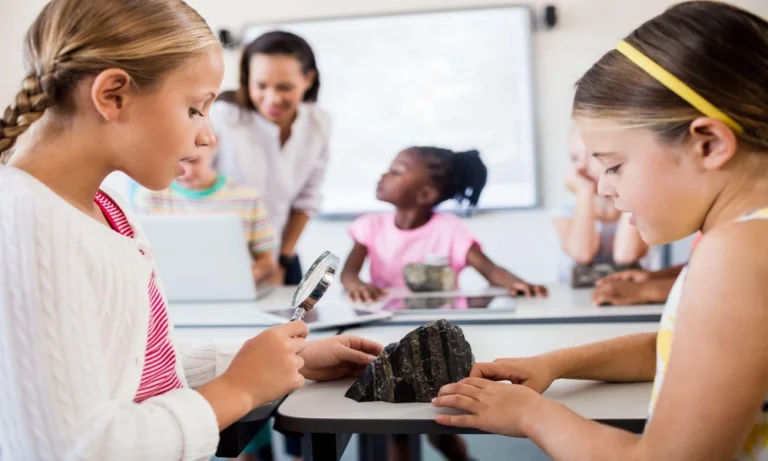
Play is the language of early childhood, yet not all play is created equal. Some preschool settings offer play that feels prescriptive: do this, then that, to arrive at a specific result. While there is a place for guided instruction, it can quickly turn into a series of predictable steps if overused. True discovery-based play, however, is open-ended. It allows children to experiment with materials, test hypotheses, and fail safely.

When a child builds a tower, they are not just stacking blocks; they are learning physics, balance, and patience. When they paint, they are exploring colour theory and motor control. The key to engagement here is autonomy. If the child has a say in what they create, their interest remains high. They become invested in the outcome because they designed the process. A curriculum that prioritises this kind of exploration naturally evolves. It changes as the children’s interests shift. It never stays the same for long because the learners themselves are constantly growing and changing. By leaning into this curiosity, we move from passive instruction to active involvement, which is exactly how children learn best.

  • Encourage experimentation by providing diverse, open-ended materials.
  • Allow time for children to revisit and refine their previous creations.
  • Document their discovery processes to celebrate small milestones.

Is A Flexible Schedule The Secret To A Lively Curriculum?

Flexibility is often mistaken for chaos, but in a quality learning environment, it is actually the highest form of structure. It means having a plan, but being ready to abandon it the moment something more interesting happens. If a class is working on a literacy activity and a child spots a butterfly outside the window, a rigid teacher might ignore it. A flexible, engaging educator grabs the moment.

They follow the child’s lead to the window, discuss the insect, look up books about metamorphosis, or take the group outside for a quick observation. This kind of spontaneous detour is what keeps a curriculum fresh and alive. It demonstrates to the children that their curiosity matters more than the clock. It fosters a love of learning that survives the transition into primary school and beyond. This balance between structure and spontaneity is the hallmark of a vibrant, child-centred approach. It keeps children eager to return the next day, not because the day will be the same, but because it will be entirely new. When learning feels like an adventure, children don’t just participate; they thrive.

The Journey Ahead: Creating Lasting Wonder

A preschool environment should feel like a living, breathing space, not a conveyor belt of tasks. By prioritising intent, valuing discovery, and embracing flexibility, educators can create a day that is as unique as the children in it. The goal is a steady rhythm that supports growth without suppressing wonder. To learn more about how a thoughtful approach to education creates a more meaningful and engaging experience for your child, get in touch with Little Seeds Preschool today.

Key Highlights

  • Infants develop language skills naturally through everyday interactions and play.
  • A bilingual childcare environment encourages communication in meaningful situations.
  • Play-based learning allows children to build confidence in both languages at their own pace.
  • Reggio Emilia in Singapore supports curiosity, exploration, and collaborative learning from infancy.

Introduction

Language learning begins long before children can speak in complete sentences. Every smile, gesture, song, and conversation contributes to the way infants understand the world around them. Daily routines become valuable learning moments when children hear language used naturally throughout the day.

A quality bilingual childcare programme gives infants consistent exposure to two languages through familiar experiences rather than formal lessons. Hearing different words during meals, story sessions, outdoor exploration, and play helps children connect language with real-life situations. Learning feels enjoyable because communication becomes part of every activity.

Many families also appreciate educational philosophies that place children at the centre of learning. Interest in Reggio Emilia in Singapore continues to grow because it encourages exploration, creativity, and meaningful interactions. Combined with bilingual learning, this approach creates an environment where infants can develop both language and confidence naturally.

Everyday Play Creates Meaningful Language Experiences

Play gives infants countless opportunities to hear and experiment with language. During activities such as stacking blocks, singing songs, or exploring sensory materials, educators introduce new vocabulary through conversation rather than memorisation. Children begin to associate words with actions, emotions, and objects they encounter every day.

Repetition happens naturally because familiar routines occur throughout the day. Greeting friends, washing hands, tidying toys, and enjoying meals all involve repeated words and phrases. Consistent exposure strengthens understanding while allowing infants to respond at their own pace without pressure.

A well-designed bilingual childcare environment encourages communication instead of performance. Educators model language clearly, respond warmly to children’s attempts, and celebrate small milestones. Every interaction supports gradual progress while making language a natural part of everyday experiences.

Curiosity Encourages Learning Beyond Words

Infants learn best when curiosity guides their discoveries. Looking closely at leaves, observing insects, experimenting with water, or exploring different textures encourages children to ask questions through sounds, gestures, and eventually words. Language becomes a tool for exploration instead of simply a subject to study.

Families looking into Reggio Emilia in Singapore often appreciate how children’s interests influence classroom experiences. Educators carefully observe each child’s curiosity and create opportunities for further investigation. Meaningful conversations develop around children’s discoveries, making language more relevant and memorable.

Creative experiences also encourage communication. Art, music, storytelling, and imaginative play introduce descriptive vocabulary while allowing infants to express themselves in different ways. Rich experiences help children understand that language supports thinking, sharing ideas, and building relationships with others.

Relationships Build Confidence in Two Languages

Strong relationships create a safe environment where infants feel comfortable communicating. Warm interactions with trusted educators encourage children to experiment with sounds and words without fear of making mistakes. Positive responses help build confidence over time.

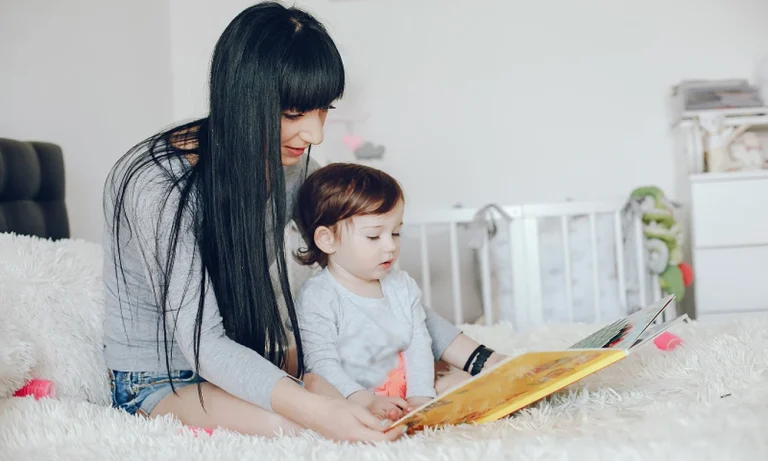
Parents also play an important role alongside bilingual childcare programmes. Reading books, singing nursery rhymes, and having simple conversations at home reinforce the language children hear during the day. Consistency between home and childcare helps infants develop stronger communication skills in both languages.

Supportive learning communities reflect many principles found in Reggio Emilia in Singapore, where collaboration between educators and families is highly valued. Shared observations and regular communication ensure that each child’s interests, strengths, and developmental progress continue to guide learning experiences.

Early Exposure Builds a Strong Foundation

Language development during infancy provides lasting benefits that extend well beyond the early years. Regular exposure to two languages supports listening skills, memory, attention, and flexible thinking while encouraging children to communicate with greater confidence as they grow.

Learning through play also helps children enjoy the process rather than feeling pressured by expectations. Infants remain engaged because activities reflect their interests and developmental stage. Every conversation, game, and shared experience contributes to steady progress in a relaxed environment.

Parents searching for bilingual childcare often value programmes that encourage holistic development alongside language learning. Educational settings inspired by Reggio Emilia in Singapore recognise that curiosity, relationships, creativity, and communication work together to help children become enthusiastic and capable lifelong learners.

Conclusion

Daily play gives infants the opportunity to absorb language naturally while building confidence through meaningful experiences. Combined with child-led exploration and supportive relationships, bilingual learning becomes an enjoyable part of everyday life that prepares children for future learning.

Contact Apple Tree Playhouse to learn how a nurturing bilingual learning environment can support your child’s early development.

Key Takeaways

  • More exposure does not always equal better learning
  • Early language progress shows up in subtle ways
  • Behaviour matters as much as test outcomes
  • Interpretation shapes effective teaching decisions.

Introduction

Lesson hours, worksheets completed, vocabulary lists memorised, and assessment scores are often used as markers of progress. In early language education, however, collecting data is only the first step. In preschool Mandarin learning, outcomes depend less on how much data is gathered and more on how educators and parents read children’s responses, behaviours, and developmental signals. The real difference lies in how that information is interpreted.

Why Early Mandarin Learning Is Not Easily Measured

Preschool Mandarin development does not progress in straight lines. Young children may understand far more than they can express, or show progress through play rather than speech. Simply tracking how many words a child can repeat offers an incomplete picture. In preschool Mandarin classes, comprehension, tone awareness, and willingness to communicate often develop before visible fluency.

The Problem With Over-Collecting Without Context

Many programmes focus on collecting visible outputs. While these provide reassurance, they can also be misleading. A child may perform well in structured tasks but struggle to apply language naturally. In preschool Mandarin classes, this gap matters. A Chinese language centre in Singapore prioritises interpretation that looks beyond surface results, examining whether children are engaging, responding spontaneously, and recognising meaning in context.

Behaviour as Data in Preschool Mandarin

Young children communicate through behaviour as much as through speech. Attention span, curiosity, confidence, and emotional response are all data points. In preschool Mandarin classes, a child who listens attentively, imitates sounds during play, or reacts appropriately to instructions is showing progress even without speaking in full sentences. A Chinese language centre in Singapore is trained to interpret these behaviours and adjust their teaching strategies early, supporting development more effectively than waiting for formal outcomes.

Why Interpretation Guides Better Teaching

In preschool Mandarin classes, understanding why a child hesitates, disengages, or excels allows teachers to refine pacing, activities, and interaction styles. Effective interpretation helps avoid mislabelling or unnecessary pressure. Responsive teaching, guided by interpretation rather than rigid benchmarks, supports stronger long-term language outcomes.

Language Readiness vs Language Performance

Preschool Mandarin learners may be cognitively ready to absorb language even if they cannot yet demonstrate it. A Chinese language centre in Singapore interprets readiness signals to nurture progress without forcing premature output. Early receptive skills often precede expressive ability, particularly in tonal languages like Mandarin.

Interpreting Progress Across Different Learners

Background exposure, personality, and learning preferences vary widely. Collecting identical data across all learners risks overlooking individual growth patterns. Interpretation allows educators to recognise improvement relative to each child’s starting point. In preschool Mandarin settings, this personalised understanding supports confidence and sustained interest. Interpreting individual trajectories is more effective than comparing children against uniform metrics.

The Role of Play-Based Observation

Much of the most valuable data in preschool Mandarin classes emerges during play. Role-play, songs, storytelling, and games reveal how children internalise language. Observing how they respond in these moments provides richer insight than formal tasks alone. A Chinese language centre in Singapore that values play-based observation interprets these interactions to guide lesson design.

Parental Expectations and Interpreted Feedback

Interpreted feedback bridges the gap between classroom observations and parental understanding. Instead of reporting only outcomes, educators can explain what behaviours indicate growing comprehension or confidence. In preschool Mandarin education, this transparency builds trust and aligns expectations. Interpretive feedback improves parent engagement more than numerical reporting alone.

Avoiding Early Burnout Through Interpretation

Overemphasis on measurable output can create unnecessary pressure, leading to resistance or disengagement. Interpreting a child’s comfort level helps educators pace learning appropriately. In preschool Mandarin, maintaining positive emotional associations with the language is critical. A Chinese language centre in Singapore that reads emotional cues carefully reduces the risk of burnout. Early stress negatively affects long-term language motivation.

Why Interpretation Supports Long-Term Success

Early Mandarin learning lays the foundation for later academic stages. Misinterpreting early signals can lead to gaps that surface years later. Interpreting data thoughtfully ensures that teaching supports comprehension, pronunciation, and confidence from the start. In the context of preschool Mandarin classes, long-term success depends on understanding how children learn, not just what they produce. Early interpretive support is a predictor of sustained proficiency.

Conclusion

In early language education, data collection is easy. Interpretation is the real work. Preschool Mandarin progress unfolds quietly through behaviour, engagement, and comprehension long before it appears on paper. When educators and parents focus on interpreting these signals, children benefit from teaching that meets them where they are. A Chinese language centre in Singapore that values interpretation over mere collection supports not just early results, but lasting language confidence.

If you are seeking a preschool Mandarin programme that values thoughtful observation and responsive teaching, contact Hua Chinese Language Centre today.