
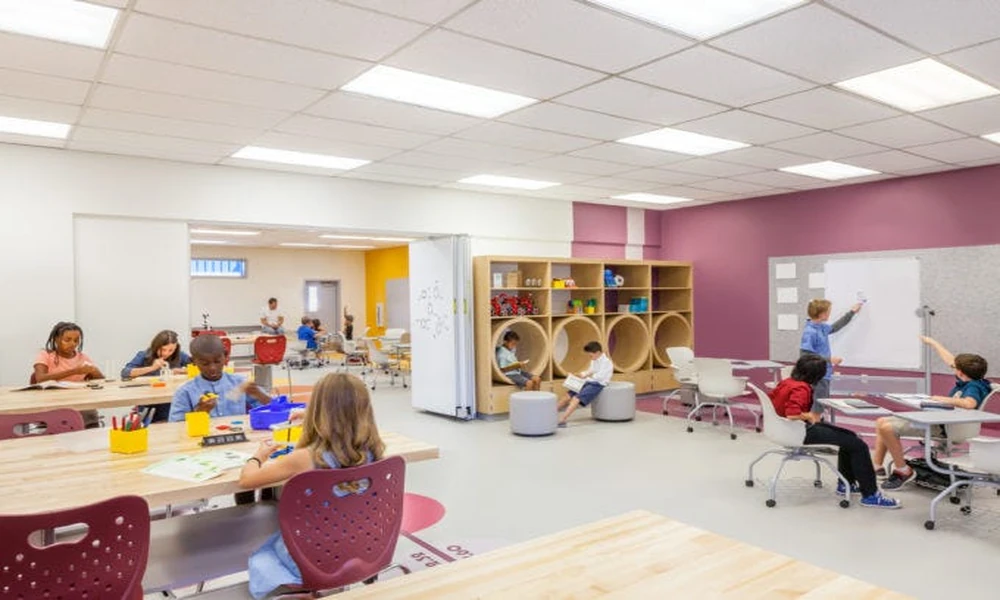
A comfortable classroom supports better teaching, more effective learning, and a positive school experience. While curriculum and instructional methods are essential, the physical condition of a learning space also affects how students and teachers perform throughout the day. One of the most important factors is classroom lighting, as it directly influences visibility, concentration, and overall comfort during lessons. Fortunately, improving classroom comfort does not always require extensive renovations. Identifying common challenges and applying practical upgrades can create a learning environment that benefits everyone who uses it.
Common Issues in Learning Environments
Many schools operate in buildings that were designed years ago, often with lighting and classroom layouts that no longer meet today’s educational needs. Uneven illumination, glare on whiteboards, reflections on digital displays, and poorly positioned fixtures can make it more difficult for students to see instructional materials clearly.
Inadequate or overly harsh lighting may affect reading comfort, reduce visibility during presentations, and create unnecessary distractions during lessons. These issues can become even more noticeable in classrooms that rely heavily on computers, interactive boards, and other digital learning tools.
School administrators and facility teams looking for ideas to improve educational spaces can explore the classroom improvement resources available through Make Great Light, where practical solutions focus on creating more effective and comfortable learning environments.
Solutions That Improve Visibility and Reduce Glare
Addressing classroom lighting challenges often begins with relatively simple improvements. Replacing outdated fixtures with modern, energy-efficient lighting can provide more even illumination across the room while reducing maintenance requirements.
Positioning desks and teaching stations to minimize reflections from windows or overhead lights also improves visibility. Adjustable window coverings help control natural daylight, preventing excessive glare while still allowing sunlight to enhance the classroom environment.
In some situations, upgrading lighting layouts to provide consistent brightness throughout the room can significantly improve both student comfort and teaching effectiveness without requiring major structural modifications.
Benefits for Students, Teachers, and Administrators
Improved classroom environments create advantages for everyone within the school community. Students benefit from better visibility during reading, writing, and collaborative activities, allowing them to engage more comfortably with classroom materials.
Teachers can present lessons more effectively when presentation screens, whiteboards, and demonstration areas remain clearly visible from every part of the classroom. Better lighting also supports a more welcoming atmosphere that encourages participation and sustained attention.
For school administrators, investing in modern facility improvements often leads to lower maintenance costs, improved energy efficiency, and longer-lasting lighting systems. These practical benefits contribute to better resource management while enhancing the daily educational experience.
What to Consider When Selecting Improvement Options
Choosing classroom improvements involves more than selecting new equipment. Schools should evaluate durability, maintenance requirements, energy performance, and compatibility with existing classroom layouts before making investment decisions.
Lighting solutions should provide consistent illumination without producing harsh glare or excessive brightness. It is also valuable to select systems that can accommodate future educational technology while remaining easy to maintain over time.
Considering both immediate classroom needs and long-term operational goals allows schools to make upgrades that continue delivering value for many years.
Planning Improvements That Deliver Lasting Value
Well-planned improvements help schools create classrooms that are comfortable, efficient, and adaptable to changing educational needs. Investing in classroom upgrades, maintaining high-quality facilities, and evaluating lighting performance on a regular basis contribute to a more effective educational environment. By combining thoughtful planning with reliable infrastructure, schools can support better learning experiences while creating spaces that remain functional and welcoming for students and educators alike.

Comments are closed.