Author

Bobby Lawson

Browsing

Preschoolers learning Chinese are navigating a new world of tones, characters, and everyday vocabulary. Schools introduce the basics, yet many families notice that their children advance more steadily when they receive support through reputable online tutors in Singapore. It gives early learners room to explore the language without pressure, helping them grow more confident in their abilities. When combined with structured Chinese preschool tuition, the result is a learning environment that feels balanced, encouraging, and responsive to a child’s pace.

Building Early Confidence Through Personal Guidance

Young children tend to thrive when they feel safe to make mistakes. That comfort rarely appears in group settings, where progress moves at a fixed speed and quieter children hide behind louder ones. Hiring a trusted online tutor in Singapore changes that dynamic. It slows everything down just enough for tutors to catch small hesitations-tones that slip, strokes that feel unfamiliar, or words that refuse to stick.

The value here is the immediacy. Tutors answer questions the moment they surface, not minutes later when the moment has passed. They challenge children gently, offering enough guidance to spark curiosity without overexplaining. When children feel understood, they try harder. They repeat words with more intention. They experiment with new phrases even when unsure. That small shift in confidence often becomes the biggest advantage that enhances their Chinese tuition lessons.

Reinforcing Classroom Learning With Flexible Practice

Every preschool class has a curriculum, but every child has a personal pace. Some breeze through new vocabulary; others need a slower rhythm. Private tutoring fills that gap by adapting sessions to match individual learning habits. Instead of revisiting full modules, tutors pick up exactly where reinforcement is needed, maybe tones one day, stroke order the next, or character recognition the week after.

This flexibility complements Chinese preschool tuition beautifully. Children who struggle with a concept in class revisit it in a one-on-one space. Those who progress quickly use the time to explore beyond what was introduced in school. Tutors introduce mini-practice tasks that fit attention spans: short games, storytelling moments, or quick expression drills. These keep learning light but purposeful, especially for children who may still see Chinese as a new and slightly intimidating language.

Creating a Strong Foundation for Long-Term Language Skills

Preschool is not only about learning the language; it is about forming the habits that will shape how children absorb Chinese in later years. Without the right foundation, later writing and comprehension can feel like uphill battles. A private online tutor helps children build these foundations early by giving consistent attention to pronunciation, listening, and recognition skills.

What makes the approach effective is its continuity. Tutors observe children closely enough to identify patterns early, mix-ups with similar-sounding words, difficulties switching between English and Chinese, or trouble remembering characters with complex strokes. Addressing these issues at a preschool age reduces frustration when formal schooling intensifies. Combined with steady exposure from Chinese tuition, young learners move into primary school feeling ready rather than overwhelmed.

Encouraging Natural Engagement With the Chinese Language

Children absorb languages more easily when they enjoy the learning process. Private tutoring gives space for fun and relaxed engagement, the sort that feels unforced. Tutors read stories, ask open-ended questions, and invite children to use simple language in ways that feel natural. These moments build a relationship with the language rather than treating it as a subject they must “get right”.

This engagement spills back into Chinese tuition sessions. When children feel excited to share new words they learned in tutoring or confidently volunteer during class activities, teachers notice the difference. Participation becomes meaningful, not performative. Over time, that enjoyment builds resilience-an essential trait for learning a second language as they grow older.

Strengthening Parent-Child Support at Home

Parents want to support their children’s learning, yet many are unsure how to reinforce Chinese lessons at home. Hiring a private online tutor in Singapore can act as a helpful bridge. Tutors often share tips that parents can easily follow, such as simple vocabulary routines or short conversational prompts. These small habits add up, especially for households where Chinese is not spoken daily.

This home support aligns neatly with the structure children experience in Chinese preschool tuition. Rather than two separate learning systems, tutoring and schoolwork begin to feel like one cohesive journey. Children see Chinese not as a task reserved for the classroom, but as a language they meet in stories, conversations, games, and daily routines.

Give your preschooler the advantage of consistent, supportive, and tailored guidance. If you want your child to enjoy better progress through private tutoring while building a stronger foundation for Chinese preschool tuition, contact LingoAce for private tutoring in Singapore and help them grow with confidence.

A big rig thunders down the highway. Inside, a skilled driver steers a load worth thousands, maybe millions, across the nation, living proof that a Commercial Driver’s License (CDL) is more than a plastic card. It is a passport to a stable, flexible, and well-rewarded career. If you have ever wondered what it really takes to step into this world, or what doors CDL training can open, the answer is both practical and inspiring.

Why Choose CDL Training? A Real-World Perspective

The American economy is built on movement. Every time you order groceries, electronics, or building materials, you rely on a silent army of professional drivers who keep goods flowing. As industries expand and online shopping surges, the nation faces an unprecedented shortage of qualified truck drivers. This shortage translates into opportunity, especially for those in fast-growing hubs like Las Vegas.

The Growing Demand for Truck Drivers: Case of Las Vegas

Las Vegas is more than casinos and neon lights. It is a major transit point for freight moving across the Southwest and beyond. The numbers reveal a clear trend: demand for truckers has spiked across the state, with projections calling for even more drivers as the decade unfolds. For newcomers to the industry, this means there are jobs waiting, often before graduating from a reputable CDL school.

How Does a CDL Open Doors? Stories from Recent Graduates

Ask a recent CDL graduate what changed for them and you hear the same themes: newfound confidence, better pay, and the thrill of seeing the country from a commanding seat. Some started with zero experience, unsure if trucking was for them. A month later, they held a job offer and a new sense of purpose.

Inside the CDL Training Experience

There is a common misconception that CDL training is all about sitting in a classroom, memorizing rules. The reality? Much more hands-on, more intense, and, if you choose the right school, more supportive than you might expect.

Course Options and What Do They Mean for You?

Different backgrounds call for different approaches. Schools like DTR School of Trucking lay out a range of programs, from comprehensive four-week courses for absolute beginners to accelerated three-week options focused on practical skills. If you are returning to the industry after time away, refresher courses help you get back up to speed. Weekend and night classes exist for those juggling other commitments, and Class B programs accommodate those who want to drive locally or operate passenger vehicles.

Hands-On Learning: A Day in the Life of a CDL Student

Training days blend classroom learning with hours spent in and around the trucks. Students practice maneuvers on closed lots, learn to safely inspect their vehicles, and take supervised drives on real roads. Instructors with decades of on-the-road experience share practical tips, industry stories, and the tricks that separate good drivers from great ones. Small class sizes mean personal attention, so questions never go unanswered and mistakes become opportunities, not setbacks.

Overcoming Common Challenges: Real Student Testimonials

Every new skill comes with hurdles. For some, it’s mastering the shifting of 18 gears; for others, it’s feeling at ease behind the wheel of a vehicle that’s longer than most houses. What sets successful students apart is the support they receive. As one graduate put it, “The staff and instructors were very helpful, made everything easy to understand.” Another recalled joining the program with no prior experience and leaving a month later, license in hand.

Career Benefits of Obtaining a CDL

CDL training is an investment, but the returns are hard to ignore. In an era when job security seems to be shrinking elsewhere, trucking stands apart.

Salary Expectations and Job Security Illustrated

Few industries offer a starting salary north of $80,000, but company truck drivers often find themselves in that bracket within their first year. Compare this to national median incomes and it’s clear that CDL holders are in a league of their own.

| Career Path          | Average Starting Salary | Job Security         |

|———————-|————————|———————-|

| Company Truck Driver | $80,000+               | Very high (nationwide driver shortage) |

| Entry-Level Retail   | $29,000                | Low                  |

| Skilled Trades Tech  | $48,000                | Medium               |

| Office Admin         | $36,000                | Medium-Low           |

In addition to pay, trucking offers an extra layer of reassurance: national demand. Even in tough times, goods still need to move.

Work-Life Balance: Night and Weekend Classes for Flexibility

Not everyone can drop everything to start training. Accessible schedules, night and weekend classes, let students continue supporting their families or working their current jobs while preparing for a better future. For some, the Class B program means local routes and nights at home, blending career advancement with family life.

Company vs. Independent Driving: What Do Graduates Prefer?

Graduates leave training with choices. Some prefer the stability and benefits that come with driving for established companies. Others, enticed by the freedom of the open road, choose independent or owner-operator routes. Both offer their own blend of independence, earning potential, and lifestyle flexibility.

The Path from Training to Employment

The journey from student to professional does not end with a test. Schools that offer full-circle support, from third-party testing to lifetime job placement, make the transition seamless.

How Does Third-Party Testing Simplify Your Journey?

No one likes standing in endless lines at the DMV, especially when nerves are high. Schools that provide third-party testing allow students to prove their skills on familiar equipment, with instructors who know their strengths and areas for improvement. This reduces test anxiety and increases the odds of passing the first time, a claim backed by impressive pass rates.

Placement Success: Tracking Job Offers Before Graduation

Some CDL students are hired before their training is even finished. Placement departments leverage industry partnerships to connect graduates with reputable companies, turning a certificate into a job offer faster than most expect. This immediate payoff is one of the strongest arguments for choosing a school with a dedicated placement team.

Long-Term Support: Lifetime Job Placement Services

Careers evolve. Drivers move, change specialties, or take breaks. The promise of lifetime job placement means graduates can come back for help at any stage, whether they want to relocate, try a new segment of the industry, or simply find a better fit.

Case Studies: Success Stories from DTR School of Trucking

Individual experiences illuminate the real outcomes of quality CDL training.

From Beginner to Professional Driver in Four Weeks

Jordan H. arrived with zero truck experience and left licensed, confident, and informed about the industry. The thoroughness of the program transformed uncertainty into success.

Returning Drivers: Refresher Courses That Work

For those with prior driving experience, refresher courses sharpen skills and provide updated knowledge, whether returning after a hiatus or looking to upskill for new opportunities.

Weekend Class B Program: Balancing Life and Career

The new weekend Class B program demonstrates that you don’t have to sacrifice family time to start a rewarding career. Graduates land jobs driving locally or operating passenger vehicles, sleeping in their own beds every night.

What to Expect on the Road Ahead

CDL training does more than prepare you for a test. It equips you with the skills, judgment, and confidence to launch a career with nearly unlimited potential.

Skills and Knowledge Gained During Training

Graduates leave with a solid command of vehicle inspection, safe driving techniques, logbook management, and real-world problem-solving. They are ready for anything the road throws at them.

Safety and Professionalism: Instructor Insights

Decades of experience mean the best instructors teach more than technical skills. They instill a culture of safety and professionalism that lasts a lifetime, helping new drivers avoid rookie mistakes.

Future Outlook: Trucking Industry Trends Over the Next Decade

Experts agree: demand for truckers will only grow as e-commerce and global trade increase. Automation and technology may change the nature of the work, but skilled drivers will remain essential for years to come.

For those considering a leap into this vital industry, the road ahead is bright, paved with opportunity, and wide open for those willing to take the wheel.

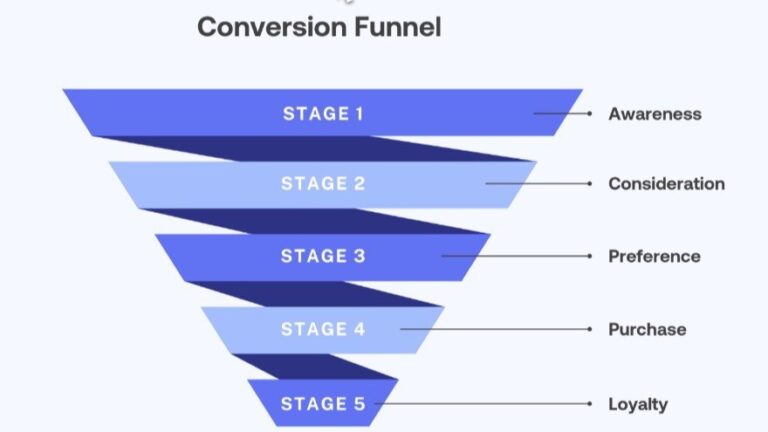
Imagine a leaky funnel being used to pour water into a bottle. You start with a full jug, but by the time the water reaches the end, most of it has spilt away. This image perfectly captures what happens in online user journeys — visitors enter your funnel, but only a fraction reach the conversion stage. Funnel analysis and conversion rate optimisation (CRO) are the tools that help businesses identify where those leaks occur and how to seal them.

Understanding this process isn’t just about numbers; it’s about interpreting human behaviour hidden in clicks, scrolls, and abandonments.

Mapping the Journey: Where Users Begin and End

Every customer’s path to conversion is a story — one that starts with curiosity and ideally ends with action. Funnel analysis breaks that story into measurable stages: landing page visits, product views, cart additions, and purchases.

By monitoring how many users drop off at each stage, analysts can see where friction arises. Is the checkout page too long? Are users confused by pricing? Does the call-to-action lack urgency? These insights shape practical changes that directly impact revenue.

Many professionals refine their skills in this area through a business analysis course in Pune, where they learn how to translate complex user journeys into clear, actionable data-driven strategies.

Finding the Hidden Friction

Not all drop-offs are obvious. Sometimes, users exit because of invisible obstacles — a slow page load, unclear navigation, or emotional friction like mistrust. Analysing click heatmaps, session recordings, and scroll depths helps uncover these subtle pain points.

For instance, an e-commerce site may discover that most users abandon their carts right after seeing unexpected shipping costs. Or a SaaS platform might notice trial users disengage just before upgrade prompts. Recognising these signals allows businesses to redesign experiences that encourage continuation rather than departure.

Turning Insights into Optimisation

CRO isn’t merely about increasing numbers; it’s about creating smoother, more empathetic experiences. Once funnel analysis identifies the bottlenecks, A/B testing, personalisation, and content adjustments come into play.

Analysts often think like architects — reworking page layouts, modifying copy tone, or rearranging form fields to minimise cognitive load. Even minor changes, like repositioning a button or rephrasing a headline, can produce dramatic conversion lifts.

Structured learning frameworks, such as those introduced in a business analysis course in Pune, help professionals combine creative intuition with statistical validation, ensuring that each change is supported by data rather than assumption.

Measuring What Truly Matters

The success of funnel optimisation depends on identifying the right metrics. While conversion rate is the most visible indicator, secondary metrics — such as average session duration, bounce rate, and exit intent — offer a deeper understanding.

It’s important to view funnel analysis as a continuous loop, not a one-time project. Each improvement reveals new insights, prompting another cycle of observation, testing, and refinement. Businesses that treat this as an ongoing process consistently outperform those that rely on intuition alone.

The Human Side of Conversion

Behind every metric lies a person making a decision. Funnel analysis reminds us that conversions aren’t just transactions; they’re interactions built on trust, clarity, and engagement. When users feel understood and guided, they’re more likely to complete the journey.

Successful CRO teams don’t merely study data — they empathise with users. They listen, adjust, and improve continuously, blending analytical rigour with human-centred design.

Conclusion

Funnel analysis and CRO together form a bridge between user psychology and business performance. By understanding where users disengage and why, organisations can design experiences that inspire confidence and reduce hesitation.

In today’s data-driven landscape, the ability to interpret behavioural signals and translate them into measurable growth is a skill every analyst must master. When done well, it transforms websites from leaky funnels into seamless journeys — turning casual visitors into loyal customers.

Introduction

In a world being rapidly reshaped by artificial intelligence, staying relevant in the workforce means embracing lifelong learning and adaptability. Traditional career paths are transforming, with automation, machine learning, and data analytics being increasingly integrated into daily workflows. As companies adopt intelligent systems to optimise operations, there is an unprecedented increase in the demand for business and technical professionals who can work alongside, design, and manage these technologies.

The result? A global push toward reskilling, where workers learn entirely new skills to take on roles that did not exist just a few years ago. To stay relevant in the job market professionals must devote themselves to understanding where the job market is heading and equipping themselves with the capabilities to succeed in this evolving environment.

Let us explore the top 10 roles of the future and how they align with the rise of AI.

AI and Machine Learning Specialists

Unsurprisingly, the top of the list is dominated by AI and machine learning specialists. These professionals design algorithms that enable systems to learn and make decisions. As AI becomes increasingly embedded in sectors such as healthcare, finance, and logistics, the demand for engineers, scientists, and data modellers with in-depth knowledge in this field continues to rise.

Enrolling in an Artificial Intelligence Course is one of the most effective ways to gain a foundational and advanced understanding of these complex topics. From supervised learning to neural networks, such courses prepare individuals for the growing demands of AI-centric careers.

Data Scientists and Analysts

Data is the new oil, and those who can extract insights from vast data lakes are in high demand. Data scientists and analysts use statistical tools, machine learning, and data visualisation to uncover trends and make data-driven decisions.

This role requires a blend of mathematics, computer science, and business acumen. As industries become increasingly data-driven, professionals in this field are crucial to competitive strategy, customer experience, and innovation.

Cybersecurity Experts

As systems grow more intelligent and interconnected, they also become more vulnerable. The need for cybersecurity experts is growing in tandem with the development of AI. These professionals protect sensitive information, infrastructure, and algorithms from cyber threats.

What makes this field future-proof is its dynamic nature: new threats appear as quickly as new technologies emerge. Cybersecurity roles encompass a range of responsibilities, including ethical hacking, risk assessment, and the detection of AI-based threats.

Robotics Engineers

AI’s impact is not limited to software—it also extends to hardware. Robotics engineers create intelligent machines that perform tasks traditionally done by humans. This includes industrial robots, medical robots, and even service robots in retail or hospitality.

With advancements in computer vision, sensor technologies, and machine learning, robotics engineering is becoming more specialised and in demand. It is a multidisciplinary field that requires knowledge of electronics, coding, and mechanical design.

AI-Integrated Healthcare Practitioners

While AI will not replace doctors, they will increasingly rely on it. Future roles in healthcare will involve working closely with AI tools that assist in diagnostics, patient monitoring, treatment planning, and medical imaging.

These roles are not confined to doctors and nurses alone. Health tech specialists, AI-driven clinical analysts, and bioinformaticians will play key roles in ensuring technology supports better patient outcomes.

AI Product Managers

As companies build AI-driven products, someone must align technical development with user needs and business goals. Enter the AI product manager. This role involves working closely with engineers, designers, and marketing teams to shape products powered by machine learning.

They require a sound understanding of AI capabilities and constraints—something that can be developed through a dedicated AI Course in Bangalore, where the growing tech ecosystem supports practical, hands-on learning experiences.

Natural Language Processing (NLP) Specialists

With the explosion of voice assistants, chatbots, and AI content generation, Natural Language Processing (NLP) has become one of the most sought-after subfields of AI. NLP specialists develop systems that understand, interpret, and generate human language.

Their work powers everything from sentiment analysis in social media to multilingual customer service bots. As language models evolve, so does the demand for professionals who are bilingual and have a background in computational expertise.

Human-AI Interaction Designers

As AI becomes more prevalent in consumer devices and enterprise software, the way humans interact with these systems must be intuitive and ethical. Human-AI interaction designers focus on creating user interfaces and experiences that are transparent, accessible, and trustworthy.

This role combines elements of UX/UI design, cognitive psychology, and AI understanding. Their mission is to ensure that people feel comfortable and confident in using AI tools in their daily lives.

  AI Ethics and Policy Experts

With great power comes great responsibility. As AI becomes increasingly pervasive, the urgency of questions surrounding fairness, transparency, and accountability grows. AI ethics and policy experts examine how algorithms are developed and deployed to prevent unintended consequences such as bias or misuse.

They work in governments, NGOs, research institutions, and corporations to ensure the responsible implementation of AI practices. This emerging role is crucial for developing trust and social acceptance of intelligent systems.

Reskilling and Digital Learning Facilitators

Ironically, one of the most significant job roles of the future is helping others prepare for the future. As industries reskill their workforce, educators and digital trainers who can deliver AI, data, and tech-related content effectively are increasingly important.

From corporate training to MOOCs (Massive Open Online Courses), these facilitators help individuals and organisations stay competitive. They often possess domain knowledge alongside strong communication and curriculum design skills.

Why Reskilling Matters Now More Than Ever

According to the World Economic Forum, by 2025, half of all employees will need reskilling. Automation and AI are expected to displace some roles, but they are also likely to create many more. However, these new jobs demand a different skillset—one rooted in adaptability, digital literacy, and cross-disciplinary collaboration.

Taking an Artificial Intelligence Course equips individuals with not only technical knowledge but also a mindset of continuous learning. These programmes often include practical projects, real-world datasets, and exposure to AI use cases across industries.

In technology hubs like Bangalore, access to world-class instructors, innovation centres, and peer networks makes learning particularly impactful. Enrolling in a professional-level learning program enables students and professionals alike to engage with the latest tools and trends while building a robust portfolio that showcases their AI competencies.

Conclusion

The age of AI is not just about machines—it is about people adapting to a new way of working. The future of businesses will be led by those who embrace change, learn new skills, and collaborate with intelligent systems. Roles like AI specialists, product managers, healthcare technologists, and ethics consultants are just the beginning of what is to come.

Reskilling is no longer optional; it is essential. Whether you are a recent graduate, a mid-career professional, or an industry veteran, investing in your future through structured learning—such as an AI Course in Bangalore—is one of the smartest moves you can make. The future of work is here. Will you be ready?

For more details visit us:

Name: ExcelR – Data Science, Generative AI, Artificial Intelligence Course in Bangalore

Address: Unit No. T-2 4th Floor, Raja Ikon Sy, No.89/1 Munnekolala, Village, Marathahalli – Sarjapur Outer Ring Rd, above Yes Bank, Marathahalli, Bengaluru, Karnataka 560037

Phone: 087929 28623

Email: enquiry@excelr.com


Day care programmes serve as crucial stepping stones for primary school children aged 7-12 years. These structured environments provide the perfect platform for developing essential literacy skills. Quality day care (安 亲 班) centres focus on creating reading-rich atmospheres that support academic growth.

Building Vocabulary Through Daily Interactions

Children in day care settings encounter new words through guided conversations and structured activities. These interactions expand their vocabulary naturally whilst building confidence in communication. The daily exposure to diverse language patterns helps strengthen their understanding of word meanings and usage.

Structured Reading Activities That Make Learning Fun

Premium day care programmes incorporate engaging reading sessions that capture children’s attention. These activities range from group story time to individual reading practice sessions. The structured approach ensures that each child receives appropriate support based on their current reading level.

Creating Print-Rich Environments

Day care (安 亲 班) centres surround children with books, labels, and written materials throughout their spaces. This constant exposure to print helps children understand that reading is part of everyday life. The environment becomes a natural teacher that reinforces literacy concepts continuously.

Developing Phonemic Awareness Skills

Sound Recognition and Letter Patterns

Children learn to identify different sounds and their corresponding letters through systematic practice. Day care educators use games and activities to make phonemic awareness development enjoyable. These foundational skills prepare children for more advanced reading challenges in their academic journey.

Word Formation and Spelling Practice

Regular spelling activities help children understand how letters combine to form words. Day care programmes provide structured opportunities for children to practice writing and spelling. This hands-on approach reinforces the connection between spoken and written language.

Comprehension Skills Development

Understanding Story Structure

Children learn to identify key elements in stories such as characters, settings, and plot development. Day care (安 亲 班) programmes teach these concepts through interactive storytelling sessions. This understanding helps children become more engaged and thoughtful readers.

Critical Thinking Through Reading

Premium day care centres encourage children to think deeply about what they read. Questions about story meanings and character motivations help develop analytical skills. These discussions prepare children for higher-level thinking required in advanced academic settings.

Supporting Different Learning Styles

Visual Learning Approaches

Day care programmes incorporate visual aids like charts, pictures, and graphic organisers to support reading development. These tools help children who learn better through visual stimulation. The combination of text and images creates a more complete learning experience.

Kinesthetic Learning Opportunities

Active learning methods such as acting out stories and hands-on activities engage children physically. Day care (安 亲 班) centres recognise that movement can enhance learning for many children. These approaches make literacy development more dynamic and memorable.

Building Confidence and Reading Motivation

Celebrating Reading Achievements

Day care programmes acknowledge children’s reading progress through positive reinforcement and recognition. These celebrations build confidence and encourage continued effort in literacy development. The supportive atmosphere helps children develop a love for reading that lasts beyond their day care years.

Creating Positive Reading Experiences

Premium day care centres focus on making reading enjoyable rather than stressful for children. The emphasis on fun and exploration helps children associate reading with positive emotions. This foundation supports lifelong learning habits and academic success.

Preparing for Academic Success

Day care (安 亲 班) programmes bridge the gap between home and school learning environments. The literacy skills developed in these settings directly support classroom performance and academic achievement. Children who attend quality day care centres often demonstrate stronger reading abilities and greater confidence in their educational journey.

The investment in quality day care programmes pays dividends in children’s literacy development and future academic success. These structured environments provide the support and resources necessary for building strong reading foundations. Parents can feel confident that their children aged 7-12 years are receiving the literacy support they need to thrive.

Day care (安 亲 班) programmes offer primary school children essential social development opportunities outside the home environment. These structured environments provide safe spaces where children can practise interpersonal skills with peers their own age. Quality day care centres focus on nurturing emotional intelligence alongside academic support.

The Science Behind Social Development

Research shows that children who attend day care (安 亲 班) develop stronger communication abilities compared to those who don’t. Social interaction during these formative years helps build neural pathways that support lifelong relationship skills. Premium day care facilities understand this connection and design activities that encourage meaningful peer engagement.

Key Social Skills Developed in Day Care Settings

Effective Communication and Expression

Day care (安 亲 班) environments teach children how to express their thoughts clearly and listen actively to others. Children learn to articulate their needs, share ideas, and engage in meaningful conversations with both peers and adults. These communication foundations become essential tools for academic success and future workplace collaboration.

Conflict Resolution and Problem-Solving

Disagreements naturally arise when children spend time together in day care (安 亲 班) settings. Skilled facilitators guide children through these conflicts, teaching them healthy ways to resolve disputes and find compromises. Children develop emotional regulation skills and learn to see situations from multiple perspectives.

Teamwork and Collaboration

Group activities in day care programmes require children to work together towards common goals. Children learn to share responsibilities, support team members, and celebrate collective achievements. These collaborative experiences build confidence and teach the value of cooperation over competition.

Benefits That Extend Beyond Childhood

Academic Performance Enhancement

Students who develop strong social skills through day care (安 亲 班) programmes often show improved classroom behaviour and academic engagement. Social confidence helps children participate more actively in school discussions and group projects. Teachers report that socially skilled students adapt more easily to new learning environments and challenges.

Future Career Preparation

The social skills learned in day care settings translate directly to professional success in adulthood. Employers consistently rank communication, teamwork, and interpersonal abilities among the most valuable employee qualities. Children who master these skills early gain significant advantages in their future career paths.

Mental Health and Emotional Wellbeing

Strong social connections formed through day care (安 亲 班) experiences contribute to better mental health outcomes. Children with well-developed social skills report higher self-esteem and lower anxiety levels throughout their school years. These positive relationships provide emotional support systems that last well into adulthood.

Creating Supportive Social Environments

Structured Social Learning Opportunities

Premium day care (安 亲 班) programmes deliberately create opportunities for social skill development through carefully planned activities. Role-playing exercises, group discussions, and collaborative projects help children practise social interactions in low-pressure settings. Professional staff members guide these interactions to ensure positive outcomes for all participants.

Peer Mentoring and Support Systems

Mixed-age groupings in day care environments allow older children to mentor younger ones, developing leadership skills and empathy. These relationships create natural support networks where children feel comfortable seeking help and offering assistance to others. Peer mentoring builds confidence and reinforces positive social behaviours across all age groups.

Cultural Awareness and Diversity

Day care (安 亲 班) settings often bring together children from diverse backgrounds, fostering cultural understanding and acceptance. Children learn to appreciate differences and find common ground with peers who may have different traditions or languages. This exposure builds tolerance and prepares children for an increasingly connected world.

Conclusion

Day care (安 亲 班) programmes provide invaluable opportunities for primary school children to develop essential social skills in supportive, structured environments. These early experiences in communication, collaboration, and conflict resolution create foundations for lifelong success in relationships, academics, and careers. Investing in quality day care that prioritises social development alongside academic support gives children the tools they need to thrive in our interconnected world. 

Dr. Sulagna Dutta, Chair of Research and Assistant Professor in Physiology at the College of Medicine, Ajman University, has been honored with the prestigious Junior Innovator Award at the 2nd International Conference on Recent Innovations in Biological, Chemical & Clinical Sciences (RIBCCS 2025), held in Malaysia.

Jointly presented by Manipal University College Malaysia, Periyar University (India), and the Microbiologists Society India (MSI), the award recognizes young scientists for their impactful contributions to biomedical research. Dr. Dutta was recognized for her pioneering work in infertility research, particularly in the early diagnosis and risk stratification of Polycystic Ovary Syndrome (PCOS). Her research integrates anthropometric, hormonal, and metabolic markers to develop predictive models that support earlier intervention and improved clinical outcomes in women’s health.

Dr. Dutta presented this body of work as an Invited Speaker at the RIBCCS 2025 conference, delivering a talk titled: “Predictive Risk Assessment Model for Polycystic Ovary Syndrome (PCOS) Using Anthropometric, Hormonal, and Metabolic Parameters.” The presentation highlighted her AU-funded research aimed at developing diagnostic tools that could transform clinical practice in reproductive medicine.

“Receiving the Junior Innovator Award is both an honor and a responsibility,” said Dr. Dutta. “It affirms the significance of our work in addressing one of the most underdiagnosed conditions in women’s health. This recognition strengthens our commitment to advancing research that can lead to earlier diagnoses, more effective interventions, and ultimately, a better quality of life for women affected by infertility and PCOS.

PCOS affects 1 in 10 women globally, yet many remain undiagnosed for years. Dr. Dutta’s predictive models offer a promising pathway for earlier, more accurate screening, potentially improving fertility outcomes and long-term health interventions across the region.

Dr. Dutta’s international recognition builds on her impressive academic profile, which includes a #2 Expertscape ranking in Malaysia in reproductive health and her inclusion in the Top 2% of Scientists worldwide by Stanford University’s Global Ranking since 2020.

This achievement further reinforces Ajman University College of Medicine’s mission to advance evidence-based, community-centered healthcare education and research. Dr. Dutta’s ongoing work exemplifies the college’s commitment to addressing real-world healthcare challenges and enhancing the quality of life through scientific innovation.

Early years lay the basis for lifelong learning, and at ib preschool singapore, youth embark on a experience that fosters curiosity, empathy, and international awareness. From day one, younger rookies have interaction in things to do designed to spark exploration and construct social skills. Educators information every baby with care, making sure that each query is valued and each and every success celebrated.

Inquiry-Based Curriculum and Playful Learning

Children thrive when they can discover matters that excite them. Key factors of the inquiry-based method include:

  • Child-Led Projects: Learners select topics such as animals or house and instructors facilitate research, art, and drama activities.
  • Hands-On Materials: Real-world equipment like magnifying glasses, constructing blocks, and nature specimens motivate experimentation.
  • Reflective Discussions: Daily circle instances enable teens to share discoveries and ask questions, reinforcing verbal exchange skills.
  • Integrated Subjects: Math, literacy, and science combination seamlessly into thematic units, making gaining knowledge of holistic and relevant.

This approach nurtures unbiased questioning and ensures that each and every child’s special curiosity drives their tutorial and social development.

Multicultural Environment and Language Development

Exposure to various cultures and languages prepares young people to come to be world citizens. At the coronary heart of the program:

  • Bilingual Storytelling: Books and songs in English and a 2nd language (e.g., Mandarin or Malay) construct early language skills.
  • Cultural Celebrations: Festivals such as Lunar New Year and Hari Raya are located with crafts, music, and standard foods.
  • Guest Visitors: Parents and neighborhood individuals share customs and stories, growing real cultural exchanges.
  • Peer Learning: Mixed-age organizations enable older adolescents to mannequin language and social behaviors for youthful classmates.

Engaging in these experiences at ib preschool singapore fosters empathy, broadens perspectives, and equips adolescents with the self-belief to navigate various settings.

Experienced Educators and Personalized Support

A committed instructing crew adapts training to every child’s strengths and needs. Highlights of our guide model:

  • Low Student-Teacher Ratios for individualized attention
  • Ongoing Observations documented in gaining knowledge of portfolios
  • Tailored Learning Goals set in partnership with families

Regular Feedback Sessions to evaluate growth and alter techniques

Teacher Qualification Role in Classroom Impact on Child
IB-Certified Educator Designs inquiry units Ensures curriculum alignment
Early Childhood Expert Implements developmental best practices Supports social-emotional growth
Language Specialist Leads bilingual activities Enhances language acquisition
Inclusion Coordinator Adapts materials for diverse learners Promotes inclusive environment

IB Preschool Singapore’s unique strategy blends inquiry, cultural immersion, customized support, and neighborhood engagement to put together adolescents as actual international citizens. Through child-led exploration and a nurturing environment, younger novices construct the confidence, empathy, and critical-thinking competencies wanted for success in an interconnected world. Families admire the robust partnerships and clear verbal exchange that make certain each child’s developmental experience is each blissful and meaningful.

FAQ

Q: What ages does the program serve?

A: Children aged 3 to 5 years old join in mixed-age classrooms, fostering peer learning.

Q: How are languages selected for bilingual activities?

A: Choices align with your family’s background and school offerings commonly Mandarin or Malay.

Q: Can parents observe classes?

A: Yes, scheduled observation days and open houses welcome family participation and feedback.

Long-distance relationships face unique gift-giving challenges when physical separation makes traditional present delivery complicated, expensive, and unreliable. Couples separated by geographic distance struggle with shipping delays, customs issues, and uncertainty about recipient preferences when selecting meaningful gifts. Digital gift cards eliminate these obstacles by providing instant delivery, guaranteed recipient satisfaction, and meaningful gesture capabilities that transcend physical distance limitations. Research shows that my-giftcardmall.com report 200% higher usage rates among users in long-distance relationships than geographically close couples, reflecting practical advantages that traditional gift-giving cannot match.

Immediate emotional impact

  • Digital gift card delivery enables spontaneous expressions of affection that traditional gift shipping cannot accommodate within contexts of long-distance relationships. These immediate delivery capabilities allow partners to respond instantly to memorable moments, achievements, or difficult times when emotional support feels most meaningful.
  • Surprise gift opportunities arise frequently in long-distance relationships when partners want to provide immediate comfort or celebration. Gift cards enable these spontaneous gestures without planning or shipping considerations that could delay emotional impact.
  • Time zone coordination becomes manageable with digital delivery, which can be scheduled for optimal recipient timing regardless of sender location. This scheduling flexibility ensures gifts arrive during meaningful moments rather than inconvenient times.
  • Anniversary and milestone celebrations can be coordinated precisely with digital gift card delivery, ensuring perfect timing despite geographic separation. Traditional shipping introduces uncertainty that could affect celebration timing significantly.

Crisis response capabilities

Long-distance partners often need immediate ways to provide support during emergencies, job losses, or difficult situations. Digital gift cards offer instant assistance in demonstrating care while providing practical value during challenging circumstances.

  • Emergency financial support – Instant delivery of practical gift cards for groceries, gas, or essentials provides immediate assistance during financial emergencies
  • Comfort during illness – Food delivery or pharmacy gift cards can be sent instantly when partners are sick and cannot shop for necessities
  • Celebration rescue – Last-minute gift cards save forgotten birthdays or anniversaries that could damage relationship dynamics
  • Achievement recognition – Immediate rewards for job promotions, academic successes, or personal milestones maintain emotional connection during important moments

Shipping cost elimination

  • International shipping costs for traditional gifts can exceed gift values significantly, making frequent gift-giving financially impractical for couples managing long-distance relationship expenses. Gift cards eliminate these shipping charges while allocating superior value to actual gifts rather than delivery fees.
  • Customs and duty complications affect international gift shipping unpredictably, creating additional costs and delivery delays that frustrate gift-giving attempts. Digital gift cards bypass these complications entirely while ensuring reliable delivery timing.
  • Shipping insurance and tracking costs add substantial expenses to international gift delivery that may not guarantee triumphant arrival. Gift cards eliminate these risks while providing delivery certainty that traditional shipping cannot match.
  • Package security concerns affect expensive gift shipments that could be lost, stolen, or damaged during international transit. Digital gift cards remove these security vulnerabilities while delivering complete value to intended recipients.

Gift cards solve fundamental long-distance relationship challenges by providing instant delivery, eliminating shipping complications, and accommodating local preferences that partners cannot easily research from distant locations. These practical advantages enable meaningful gesture frequency that traditional gift-giving methods cannot sustain economically or logistically. Long-distance couples utilizing a strategic gift card approach maintain stronger emotional connections through consistent, thoughtful gestures that demonstrate care without geographic limitations hindering relationship maintenance efforts.

If you’re preparing for the IELTS, you might think solving a few practice questions a day is enough. But to truly succeed, you need to simulate the full experience — timing, pressure, and all. That’s exactly what IELTSBandScore.com offers. This isn’t just test prep — it’s training for real-world results. 🎯 Choose between IELTS Academic and General formats. If you’re applying to a university or a professional program, start with the IELTS Academic version. You’ll also benefit from their comprehensive preparation resources for all four sections. 🕒 Replicate Exam Day at Home You’ll train in real test conditions with:
  • Timed Listening and Reading sections
  • Writing prompts scored instantly with AI
  • Speaking questions you answer aloud and get evaluated in seconds
This method builds stamina, focus, and familiarity with the test format — the three things most test-takers lack.
💡 Feedback That Transforms Your Score Your results include:
  • Estimated band scores for each section
  • Personalized tips aligned with IELTS scoring criteria
  • Guidance on how to fix weak points — right away
You’ll improve faster and more effectively than with traditional study methods. 📢 Learner Testimonials “I practiced with the writing tool, and for the first time, I understood where I was losing points. It changed everything.” — Lina M., Master’s Applicant Skip the Guesswork. Start Training Like It’s Test Day Don’t waste time with guess-based studying. Head to IELTSBandScore.com, simulate the full test, and prepare to succeed — one timed session at a time.