

Managing a classroom can be a challenging task for any teacher, especially new or inexperienced ones. However, with the right strategies and techniques, you can create a positive and productive classroom environment that promotes learning and engagement. In this article, we will share some tips and insights from experienced teachers on how to effectively manage a classroom.
Establish Clear Expectations
One of the most important strategies for managing a classroom is to establish clear expectations from the outset. This means setting rules and guidelines for behavior, academic performance, and other aspects of classroom conduct. These expectations should be communicated clearly and consistently to students, so that they understand what is expected of them and what the consequences will be if they fail to meet these expectations.
When establishing expectations, be sure to involve your students in the process. Ask them to help you create a list of rules and guidelines that they think are important for maintaining a positive and productive classroom environment. This will help to build a sense of ownership and accountability among students, which can go a long way in promoting positive behavior and academic performance.
Be Consistent and Fair
Consistency and fairness are key elements of effective classroom management. Students need to know that the rules and consequences are the same for everyone, and that they will be enforced consistently and fairly. This means that you need to be consistent in your expectations, your responses to behavior, and your grading and evaluation methods.
When responding to behavior, it is important to remain calm and objective. Avoid showing favoritism or responding emotionally to misbehavior. Instead, use positive reinforcement to reward good behavior and address negative behavior in a constructive and respectful manner.
Build Positive Relationships
Another important strategy for managing a classroom is to build positive relationships with your students. This means getting to know them as individuals, showing an interest in their lives and hobbies, and demonstrating empathy and understanding when they face challenges or difficulties. When students feel that you care about them and are invested in their success, they are more likely to be engaged and motivated in the classroom.
To build positive relationships with your students, try to create opportunities for one-on-one interactions, such as during class discussions, individual conferences, or after-school activities. Be sure to listen actively to your students and show a genuine interest in their thoughts and opinions.
Use Engaging and Interactive Teaching Methods
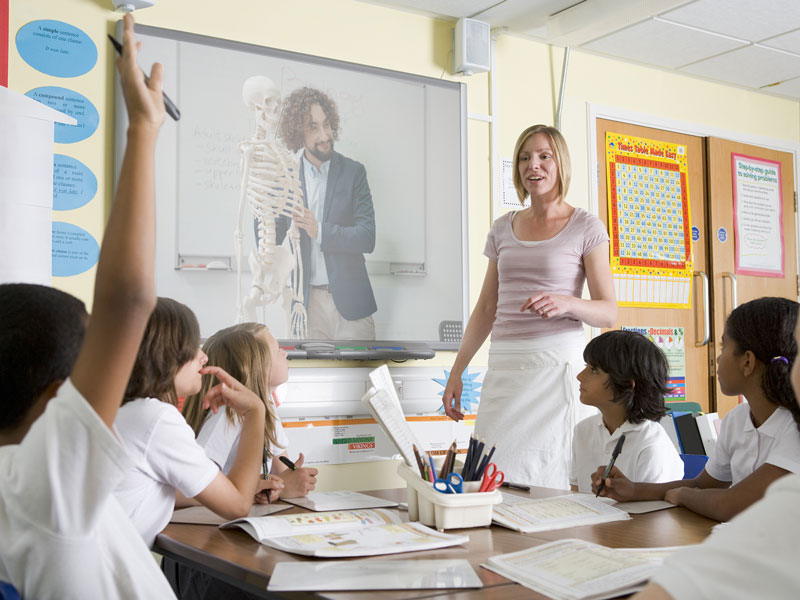
Finally, an effective strategy for managing a classroom is to use engaging and interactive teaching methods. This means incorporating activities, discussions, and projects that promote active learning and student engagement. When students are actively involved in the learning process, they are more likely to be focused and motivated, and less likely to engage in disruptive behavior.
Some effective teaching methods that promote engagement and interaction include:
- Classroom discussions and debates
- Hands-on activities and experiments
- Collaborative group projects
- Role-playing and simulations
By using these and other engaging teaching methods, you can create a classroom environment that promotes learning, engagement, and positive behavior.
Managing a classroom can be a challenging task, but with the right strategies and techniques, you can create a positive and productive learning environment. By establishing clear expectations, being consistent and fair, building positive relationships, and using engaging teaching methods, you can effectively manage your classroom and promote student success.











![Five Books That Every Shelf Deserves | Best Books For Reading- Fairgaze [1 min read]](https://fairgaze.com/images/UploadedImages/thumbs/0293526_0293526_my-image%20-%202021-02-12T115739.190.jpg)