
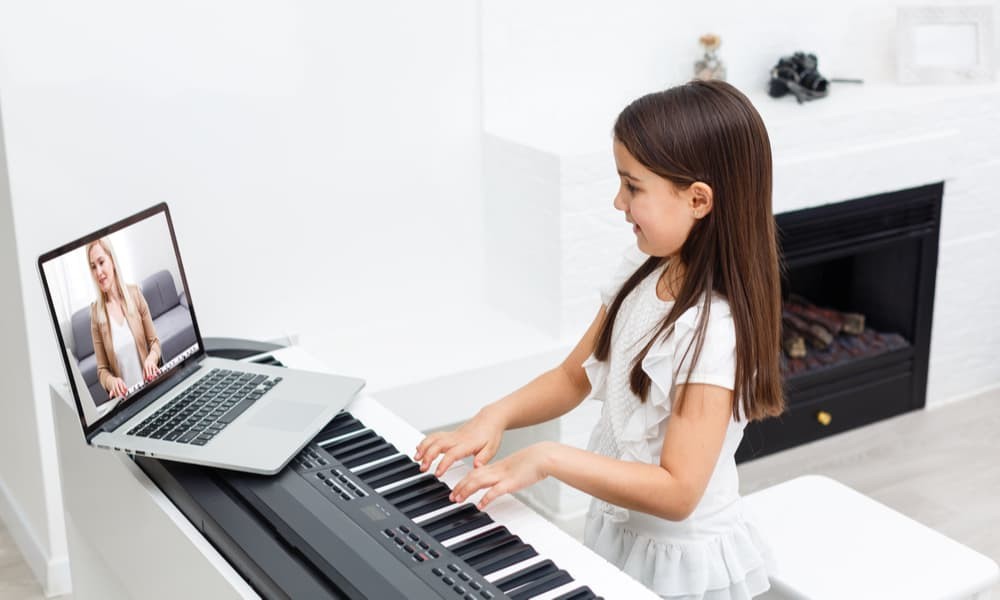
Piano lesson fees Singapore parents encounter vary more than most expect, and understanding what drives those differences helps you make a better decision for your child. Price is not a reliable indicator of quality on its own. A less experienced teacher in a convenient location may deliver better results for a young beginner than an elite conservatory graduate who specialises in advanced students.
The Main Factors That Determine Fees
Several variables shape what a piano teacher charges in Singapore. Teacher qualifications sit at the top of the list. A teacher with an ABRSM Licentiate (LRSM) or Fellowship (FRSM) grade, or a degree from a recognised conservatoire, will charge more than one without formal credentials. This premium is often justified, particularly for students working toward higher examination grades.
Experience matters alongside qualifications. A teacher who has guided dozens of students through ABRSM Grade 8 or Diploma level examinations brings a level of practical knowledge that is difficult to replicate. Ask prospective teachers directly about their track record with students at your child’s current and target grade level.
Studio type also affects pricing. Independent teachers who teach from home or travel to a student’s home typically charge less than established music schools, which carry higher overheads. Music schools often include additional benefits such as practice rooms, accompanists for mock examinations, and annual recitals, which may justify the higher fee.
Location plays a role too. Studios in the central business district and prime residential areas of Singapore generally charge more than those in heartland estates, even for teachers with comparable credentials.
Typical Fee Ranges
For a thirty-minute lesson, piano tuition fees Singapore typically range from S$30 to S$70 for independent teachers. Established music schools charge between S$50 and S$100 for the same duration. Sixty-minute lessons for older or more advanced students range from S$80 to S$180, depending on teacher level and studio.
Group lessons, where three to five students share a session, cost considerably less per person, typically between S$20 and S$40 per hour. These are more common in community centres and school-based programmes. They work well for very young beginners but are rarely sufficient on their own for students preparing for examinations.
Home visit lessons, where the teacher travels to your home, carry a travel supplement on top of the lesson rate. This adds between S$10 and S$30 per session depending on location and travel time.
What the Fee Should Include
When comparing piano lesson fees Singapore studios and teachers quote, check what is actually covered. A higher fee that includes examination registration support, theory guidance and regular recital opportunities may represent better value than a lower fee that covers only the lesson itself.
Lesson materials, including workbooks, examination syllabuses and sight-reading books, are usually purchased separately by the student. Budget S$30 to S$80 per year for these, depending on the student’s grade level.
Ask whether the teacher provides written feedback or a progress report at regular intervals. This matters particularly for parents of younger children who want to understand what their child is working on and how they are progressing between lessons.
“A piano lesson is not just about music. It teaches children how to work toward a goal.” – This view, shared widely in Singapore’s music education community, explains why so many families continue to invest in instrument lessons through the school years.
How to Evaluate Value
Cheap piano lessons Singapore students take with an unsuitable teacher cost more in the long run. A teacher who uses poor methodology, selects inappropriate repertoire, or fails to address technical habits early can create problems that take months to correct with a better teacher later.
Conversely, paying premium rates for a teacher whose style does not match your child’s learning approach produces frustration on both sides and often leads to the child abandoning the instrument entirely.
The most useful measure is progress. After three to six months of weekly piano lessons Singapore, your child should be playing complete pieces, demonstrating improved posture and hand position, and showing some ability to read basic notation. If none of this is evident, the teacher, the practice regime, or both need reassessing.
Take a trial lesson before committing to a package. Most reputable studios and independent teachers offer this. The trial session reveals more about teaching quality than any online review.
Making a Decision
Set a clear budget before you start looking. Know whether you want weekly or fortnightly lessons, thirty or sixty minutes, and whether a home studio or an established school matters to you. Bring these specifics to your first conversations with potential teachers.
Ask how examination preparation is handled, what the teacher expects from students between lessons, and how they communicate with parents about progress. Clear, regular communication between teacher and parent is a reliable sign of a professional approach.
Piano lesson fees Singapore families invest in vary, but the return on that investment depends far less on the amount spent than on the match between teacher and student, the consistency of practice, and the commitment to showing up every week.

Comments are closed.